
 EN
EN



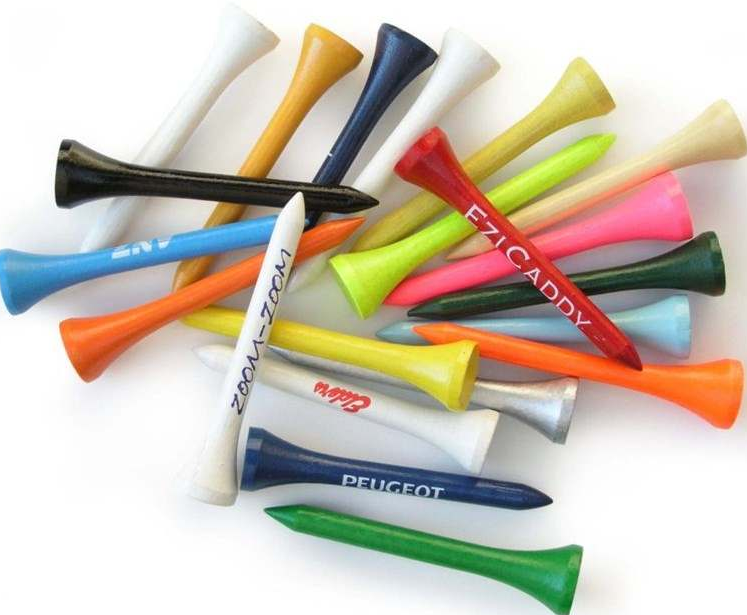
Every golfer knows the feeling of stepping up to the tee box, planting their feet, and preparing for a drive that sets the tone for the entire hole. Yet one of the most overlooked variables in that moment is the small piece of equipment holding the ball in place. golf tees may seem trivial, but their height, material, and design directly influence how your clubface contacts the ball, how your swing path develops, and ultimately where the ball travels after impact. Understanding this connection is not just academic — it is a practical edge that serious golfers use to improve consistency and distance.
The relationship between golf tees and ball flight is rooted in physics and biomechanics. When you adjust tee height, you change the angle at which the clubface meets the ball, which in turn affects launch angle, spin rate, and carry distance. When you change tee material, you alter the amount of friction and resistance at the moment of impact. These are not marginal differences — they are measurable variables that equipment engineers, club fitters, and tour professionals account for in every competitive round. This article breaks down exactly how golf tees affect your swing mechanics and ball flight, so you can make smarter decisions the next time you reach into your bag.
The Physics Behind Tee Height and Launch Angle
How Tee Height Shifts the Impact Zone
The height at which you set your golf tees determines where on the clubface the ball makes contact. For a driver, the conventional guidance is to tee the ball so that roughly half of it sits above the crown of the club at address. This positioning encourages contact on the upper portion of the clubface, which is the sweet spot zone that produces the highest launch angle with the lowest spin rate — the ideal combination for maximum carry distance.
When golf tees are set too low, the ball tends to make contact lower on the face, increasing backspin and reducing launch angle. The result is a flatter, shorter trajectory that loses carry distance and rolls out less predictably. Conversely, when golf tees are set too high, the club can pass under the ball, producing a weak, ballooning shot with excessive height and minimal forward momentum. Finding the right height is therefore not a matter of preference — it is a mechanical requirement for efficient energy transfer.
For irons and fairway woods, most golfers use golf tees at a much lower height, just enough to lift the ball slightly off the turf. This subtle elevation reduces the chance of the club catching the ground before impact, promoting a cleaner strike and a more penetrating ball flight. Even a few millimeters of tee height adjustment can shift the launch window meaningfully, which is why experienced players are deliberate about this detail.
Spin Rate and Its Connection to Tee Position
Spin rate is one of the most critical factors in determining how far and how accurately a golf ball travels. Golf tees influence spin by controlling where on the clubface contact occurs and at what angle the club is traveling at the moment of impact. A higher tee position with a driver encourages a slightly upward angle of attack, which reduces backspin and promotes a higher, longer ball flight. This is why many distance-focused golfers experiment carefully with tee height during warm-up sessions.
Excessive backspin caused by low tee placement creates a ballooning effect in windy conditions, making the ball susceptible to being pushed off line. Reduced backspin from an optimized tee height keeps the ball more stable in the air and allows it to cut through wind more efficiently. Understanding how golf tees interact with spin mechanics gives players a practical tool for adapting to different course conditions and weather environments.
Material Differences in Golf Tees and Their Effect on Swing Feel
Wooden Golf Tees and Natural Performance
Wooden golf tees remain the most widely used option across all levels of the game, from weekend recreational players to competitive amateurs. The appeal of wood lies in its natural flex and breakage behavior. When a driver strikes the ball, a wooden tee bends and often breaks, which means it offers minimal resistance to the clubhead. This low-resistance characteristic is actually beneficial — it means the tee is not deflecting the club's path or absorbing energy that should be transferred to the ball.
Bamboo golf tees, a close relative of traditional wooden tees, have gained popularity due to their superior strength and sustainability profile. Bamboo is a fast-growing natural material that produces tees with greater durability than standard wood, meaning they break less frequently and maintain consistent height across multiple uses. For golfers who are particular about tee height consistency, bamboo golf tees offer a reliable and eco-conscious alternative without changing the fundamental performance characteristics they are accustomed to.
The surface texture of wooden and bamboo golf tees also plays a subtle role. A smooth, well-finished tee creates less friction against the ball at the moment of impact, allowing the ball to launch cleanly without any rotational interference from the tee itself. Poorly finished or splintered tees can introduce micro-level inconsistencies that, while small, accumulate over a round and affect shot repeatability.
Plastic and Composite Tees and Their Tradeoffs
Plastic golf tees are more durable than wooden ones and are less likely to break on a single use. However, their rigidity can be a double-edged characteristic. A stiffer tee offers more resistance at impact, which some studies suggest can slightly alter the clubhead's path through the hitting zone. For most recreational golfers, this difference is negligible. For players with high swing speeds, the added resistance of a rigid plastic tee can introduce a small but measurable inconsistency in ball flight direction.
Composite and brush-style golf tees represent a more engineered approach to the problem. Brush tees, for example, use flexible bristles to support the ball with minimal contact surface, theoretically reducing friction and side spin at impact. While these designs have their advocates, the performance gains are most noticeable for golfers with very consistent swing mechanics who are already optimizing at the margins. For the majority of players, the choice between wooden and plastic golf tees has a more practical impact on consistency than switching to specialty designs.
How Tee Height Affects Swing Path and Club Delivery
The Relationship Between Tee Height and Angle of Attack
Your angle of attack — the direction the clubhead is traveling at the moment it contacts the ball — is directly influenced by where the ball sits on the tee. When golf tees position the ball higher, players naturally adjust their posture and swing arc to meet the ball at the correct height. This adjustment encourages a shallower, more sweeping swing path with the driver, which is associated with a positive angle of attack and longer drives.
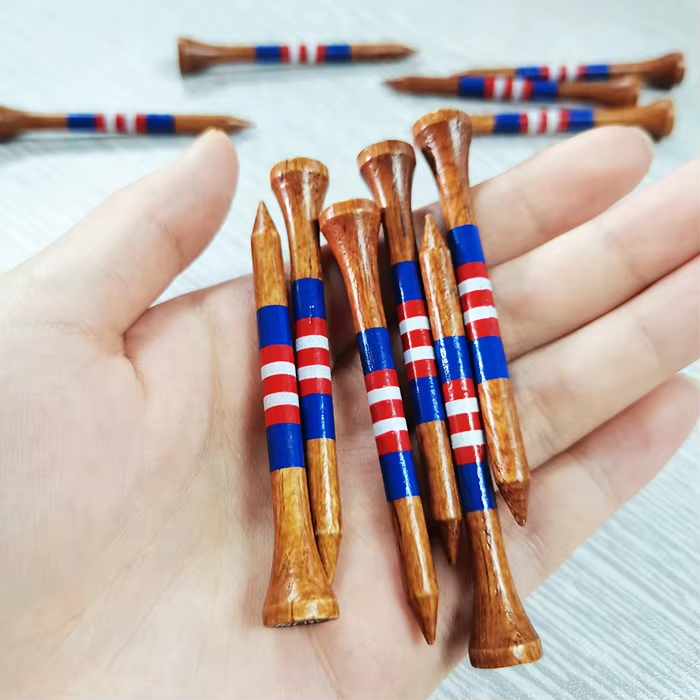
A ball teed too low forces the player to steepen their swing to make solid contact, which increases the downward angle of attack. This steeper path adds backspin and reduces launch angle, both of which work against distance. Many golfers who struggle with low, spinning drives are unknowingly compensating for incorrect tee height rather than addressing a fundamental swing flaw. Adjusting golf tees to the appropriate height can sometimes resolve what appears to be a technique problem without any change to the swing itself.
For iron shots, the opposite logic applies. Golf tees used with irons should be set very low — just enough to ensure the ball is not sitting on compressed turf. This low position encourages the slightly downward angle of attack that irons require for proper compression and controlled ball flight. Using golf tees correctly for each club type is a foundational skill that directly supports better shot-making across the entire bag.
Consistency and Repeatability Through Standardized Tee Use
One of the most underappreciated benefits of paying attention to golf tees is the consistency it brings to your pre-shot routine. When you use the same tee height for the same club every time, you remove one variable from the equation. Your body learns to expect the ball at a specific position, and your swing groove develops around that expectation. This kind of muscle memory is what separates consistent ball-strikers from erratic ones.
Golfers who randomly vary their tee height — sometimes high, sometimes low, depending on which tee they grab from their pocket — are unknowingly introducing swing variability. The brain and body must recalibrate for each slightly different ball position, which disrupts timing and rhythm. Standardizing your use of golf tees by club type and shot shape is a simple, cost-free way to improve shot-to-shot consistency without changing anything about your technique.
Practical Tee Selection for Different Shot Shapes and Conditions
Adjusting Tee Height to Shape Draws and Fades
Advanced golfers use golf tees as a subtle shaping tool. Teeing the ball slightly higher and positioning it forward in the stance encourages an inside-out swing path, which promotes a draw. Teeing the ball slightly lower and positioning it back in the stance encourages a more outside-in path, which can help produce a controlled fade. These are not dramatic adjustments — they are fine-tuning mechanisms that work in combination with grip, stance, and swing intention.
Understanding how golf tees interact with shot shape gives players more options on the course. On a hole that bends left, a player who knows how to use tee height to encourage a draw has a meaningful advantage over one who relies solely on swing manipulation. These small positional adjustments reduce the physical effort required to shape shots and make the swing feel more natural and repeatable under pressure.
Wind, Course Conditions, and Tee Strategy
Course conditions and weather should influence how you use golf tees on any given day. In strong headwind conditions, teeing the ball lower reduces launch angle and backspin, producing a more penetrating, wind-resistant ball flight. In calm conditions or with a tailwind, a higher tee position maximizes launch and carry distance. These adjustments are standard practice among experienced players and require nothing more than a conscious decision about tee height before each drive.
Firm, fast fairways reward a lower, more boring ball flight that maximizes roll-out after landing. Soft, wet fairways require more carry distance since the ball will stop quickly on landing. Adjusting golf tees to control launch angle is one of the most direct ways to adapt your game to changing conditions without altering your fundamental swing. It is a strategic tool that costs nothing to use and pays dividends in score management.
FAQ
Does tee height really make a measurable difference in driving distance?
Yes, tee height has a measurable impact on driving distance. Research and launch monitor data consistently show that optimal tee height for a driver — where roughly half the ball sits above the clubface crown — produces the highest launch angle with the lowest spin rate, which is the combination that maximizes carry distance. Even a half-inch difference in how you set your golf tees can shift launch angle by several degrees and alter carry distance by ten yards or more for players with moderate to high swing speeds.
Are wooden golf tees better than plastic ones for performance?
For most golfers, wooden and bamboo golf tees offer a slight performance advantage over rigid plastic tees because they flex and break at impact rather than resisting the clubhead. This low-resistance behavior means less interference with the club's natural path through the hitting zone. Bamboo golf tees in particular combine the natural performance characteristics of wood with greater durability, making them a practical choice for players who want consistency without constantly replacing broken tees.
Should I use the same tee height for every club?
No. Tee height should be adjusted based on the club you are using. Drivers benefit from a higher tee position that encourages an upward angle of attack and maximizes launch. Fairway woods and hybrids require a lower tee, just enough to lift the ball slightly off the turf. Irons should be teed very low — barely above ground level — to promote the downward strike that produces proper compression and controlled ball flight. Using golf tees correctly for each club is a fundamental part of consistent shot-making.
Can changing my golf tees help fix a slice or hook?
Tee height adjustments can reduce the severity of a slice or hook by influencing your angle of attack and swing path, but they are not a complete fix for deep-rooted swing issues. A ball teed too low often encourages a steeper, outside-in swing path that worsens a slice. Raising the tee height slightly can encourage a shallower path and reduce the side spin that causes the ball to curve. However, if the root cause is grip, alignment, or clubface angle at impact, adjusting golf tees alone will not fully resolve the problem. Use tee height as one tool among several in your improvement process.