
 EN
EN



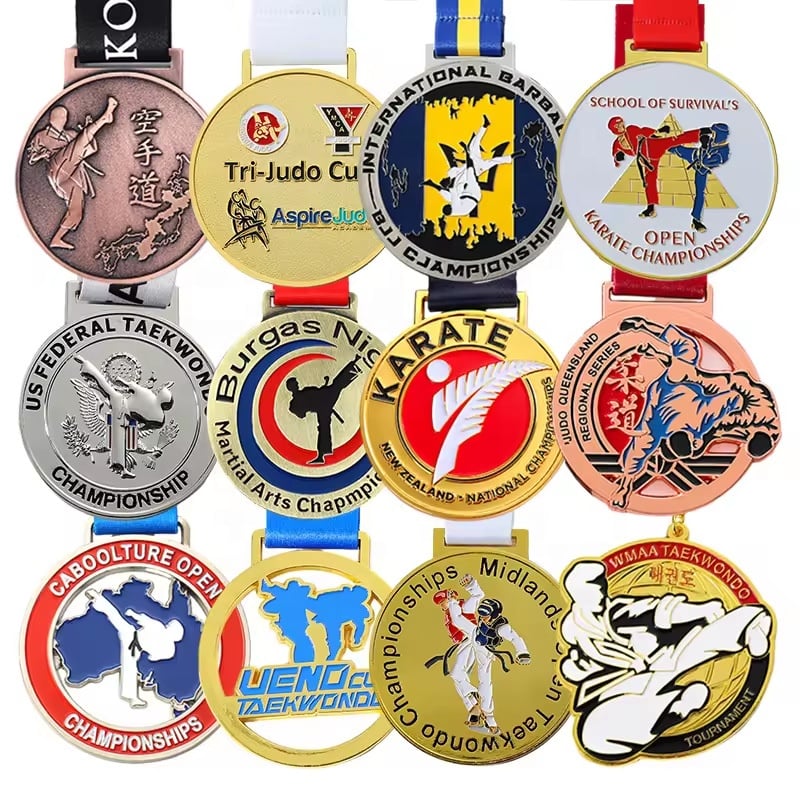
In today's competitive business landscape, corporate gift-giving has evolved beyond traditional items like branded pens or coffee mugs. Companies are increasingly seeking unique, meaningful presents that reflect their brand values while creating lasting impressions on employees, clients, and business partners. Among the most impactful options available, personalized medals have emerged as exceptional corporate gifts that combine prestige, customization, and long-term value. These distinctive awards serve multiple purposes within corporate environments, from recognizing outstanding performance to commemorating significant milestones and strengthening business relationships.
The Psychology Behind Medal-Based Recognition
Emotional Impact and Motivation
Receiving a medal triggers deep psychological responses rooted in achievement and recognition. Unlike temporary rewards, medals provide tangible proof of accomplishment that recipients can display proudly in their offices or homes. The physical weight and craftsmanship of quality medals convey importance and permanence, making recipients feel genuinely valued. Research in organizational psychology demonstrates that recognition through physical awards significantly increases employee motivation and job satisfaction compared to monetary bonuses alone.
The ceremonial aspect of medal presentation amplifies these positive effects. When companies organize formal award ceremonies featuring personalized medals, they create memorable experiences that strengthen emotional connections between recipients and the organization. This psychological anchoring effect ensures that the positive feelings associated with recognition remain fresh in recipients' minds long after the event, continuously reinforcing their commitment to excellence.
Status and Prestige Factors
Medals inherently carry connotations of achievement and elite status across cultures worldwide. This universal recognition makes them particularly effective for international corporations seeking gifts that resonate across diverse cultural backgrounds. The prestige associated with medal ownership extends beyond the workplace, as recipients often showcase their awards to family and friends, effectively becoming brand ambassadors who spread positive messages about the gifting company.
The exclusivity factor of personalized medals cannot be understated. When companies create limited-edition or uniquely designed medals for specific achievements or events, they generate scarcity value that makes recipients feel part of an exclusive group. This psychological principle of scarcity increases the perceived value of the gift and creates stronger emotional bonds between recipients and the organization.
Customization Options for Corporate Branding
Design Elements and Brand Integration
Modern manufacturing techniques enable extensive customization possibilities for corporate medals. Companies can incorporate their logos, color schemes, and brand messaging seamlessly into medal designs while maintaining aesthetic appeal. Three-dimensional molding capabilities allow for intricate details that showcase corporate symbols, mission statements, or specific achievement categories. The ability to combine multiple materials such as metals, enamels, and ribbons provides endless creative opportunities for brand expression.
Advanced personalization extends to individual recipient details, including names, achievement dates, and specific accomplishments. Laser engraving technology ensures precise text reproduction, while digital printing options enable full-color photographic elements. These customization capabilities allow companies to create truly unique pieces that reflect both corporate identity and individual recognition, maximizing the personal connection between gift and recipient.
Material Selection and Quality Considerations
The choice of materials significantly impacts both the perceived value and longevity of personalized medals. Premium options include solid brass, zinc alloy, and even precious metals for the most prestigious recognitions. Surface treatments such as gold plating, silver finishing, or antique patinas add sophisticated visual appeal while protecting the underlying material from tarnishing. Quality ribbon selection complements the medal design, with options ranging from standard polyester to luxurious silk materials in corporate colors.
Durability considerations are crucial for corporate gifts intended to serve as long-term reminders of achievement. High-quality medals maintain their appearance and structural integrity for decades, ensuring that the positive brand association remains intact throughout the medal's lifetime. Investment in superior materials and manufacturing processes demonstrates the company's commitment to excellence, reinforcing brand values through the gift itself.
Cost-Effectiveness and Budget Considerations
Economies of Scale Benefits
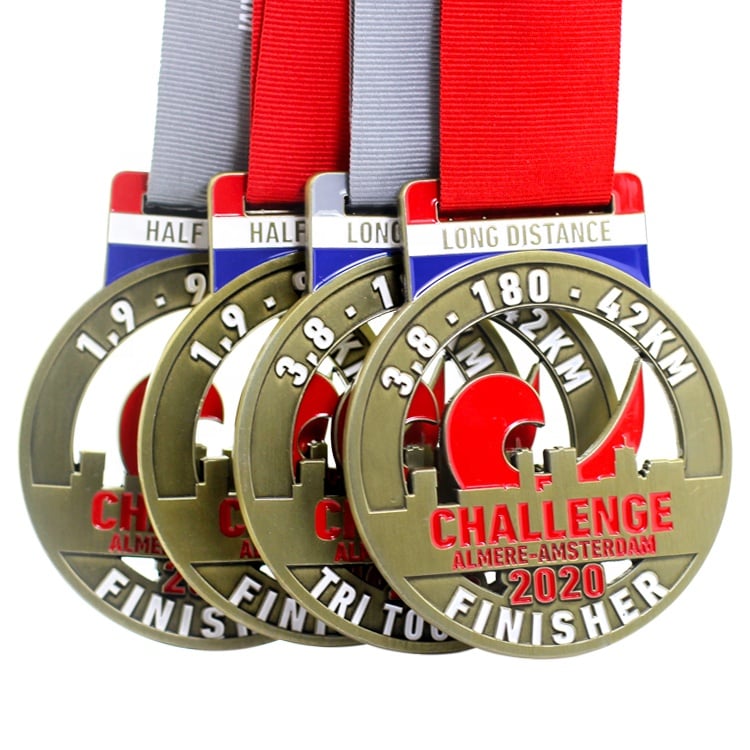
Personalized medals offer significant cost advantages when ordered in larger quantities for corporate programs. Manufacturing economies of scale reduce per-unit costs substantially as order volumes increase, making medals increasingly affordable for companies planning comprehensive recognition initiatives. The ability to create multiple award categories or achievement levels within a single order further optimizes budget efficiency while maintaining design consistency across the program.
Long-term value calculations favor medals over consumable corporate gifts that provide only temporary impact. While initial investment may exceed that of traditional items like gift cards or promotional products, the lasting nature of medals ensures extended brand exposure and ongoing positive associations. Recipients typically retain medals indefinitely, providing continuous return on investment that ephemeral gifts cannot match.
Budget-Friendly Design Strategies
Smart design choices can significantly reduce costs without compromising visual impact or perceived value. Utilizing standard medal shapes and sizes while focusing customization efforts on surface treatments and ribbons maintains budget control. Two-tone plating techniques create sophisticated appearances at lower costs than solid precious metal finishes. Strategic use of enamel fills in key design elements provides color contrast and visual interest without expensive full-coverage applications.
Phased rollout strategies allow companies to test medal programs with smaller initial orders before committing to larger quantities. This approach enables refinement of design elements and recipient feedback incorporation while managing financial risk. Successful pilot programs often generate internal enthusiasm that supports expanded medal initiatives with increased budget allocations.
Versatility Across Industries and Applications
Technology and Innovation Sectors
Technology companies frequently utilize personalized medals to recognize breakthrough achievements, patent milestones, and innovation leadership. The tangible nature of medals provides meaningful contrast to the digital world these professionals inhabit daily. Software development teams appreciate medals commemorating successful product launches, while research divisions value recognition for scientific breakthroughs and intellectual property creation.
Startup environments benefit particularly from medal-based recognition programs that foster company culture and team cohesion during rapid growth phases. The relatively modest investment required for quality medals makes them accessible to emerging companies seeking impactful recognition tools. As startups mature into established corporations, early medal recipients often become passionate advocates for continuing these traditions.
Healthcare and Service Industries
Healthcare organizations find personalized medals especially meaningful for recognizing years of service, patient care excellence, and continuing education achievements. Medical professionals appreciate awards that acknowledge their dedication to healing and service, particularly when medals incorporate relevant symbols like medical crosses or caduceus designs. The durability of quality medals aligns well with healthcare professionals' long-term career commitments.
Service industry applications span hospitality, retail, and customer support sectors where employee recognition directly impacts customer satisfaction. Hotels utilize medals for recognizing exceptional guest service, while retail organizations celebrate sales achievements and customer loyalty building. The visible nature of medals worn during ceremonies creates positive impressions on customers and colleagues alike.
Implementation Best Practices
Program Design and Rollout Strategy
Successful medal programs require careful planning and clear criteria establishment. Companies should define specific achievement categories, eligibility requirements, and presentation protocols before ordering medals. Consistency in recognition standards ensures fairness and maintains program credibility among participants. Regular program reviews allow for adjustments based on employee feedback and evolving organizational priorities.
Timing considerations play crucial roles in program effectiveness. Annual recognition ceremonies create anticipation and provide formal venues for medal presentations. Quarterly or project-based recognition maintains momentum between major events while addressing immediate achievement acknowledgment needs. Flexible timing approaches accommodate diverse recognition opportunities while maintaining program structure and significance.
Presentation and Ceremony Planning
The presentation method significantly influences the impact of personalized medals as corporate gifts. Formal ceremonies with management participation elevate the significance of recognition while creating memorable experiences for recipients. Professional presentation cases or display stands enhance the perceived value while providing practical storage solutions. Photography documentation creates lasting memories and promotional content for future programs.
Ceremony scripting should emphasize specific achievements and their contributions to organizational success. Personalizing presentations with detailed accomplishment descriptions makes recipients feel genuinely appreciated rather than receiving generic recognition. Inviting family members or colleagues to witness presentations amplifies the positive impact while strengthening workplace relationships and company culture.
FAQ
How long does it typically take to produce personalized medals for corporate events
Production timelines for personalized medals generally range from two to four weeks depending on design complexity, quantity, and customization requirements. Simple engraved medals with standard finishes can often be completed within ten business days, while complex multi-material designs with custom shapes may require up to six weeks. Rush orders are frequently available for additional fees, but planning ahead ensures optimal quality and cost efficiency. Most reputable manufacturers provide detailed timeline estimates during the quoting process, allowing companies to plan ceremonies and events accordingly.
What minimum order quantities are typically required for corporate medal programs
Minimum order quantities vary significantly among manufacturers, typically ranging from 25 to 100 pieces for custom designs. Some suppliers offer lower minimums for simple engraving projects, while complex molded designs may require higher quantities to justify tooling costs. Many companies find that ordering 50-100 medals provides good balance between cost efficiency and program flexibility. Volume discounts usually become significant at quantities above 200 pieces, making larger orders increasingly cost-effective for companies with comprehensive recognition programs.
Can personalized medals be designed to accommodate different achievement levels
Yes, tiered medal systems are highly effective for corporate recognition programs. Common approaches include using different metal finishes (bronze, silver, gold) for various achievement levels, varying ribbon colors to indicate categories, or incorporating different design elements to distinguish performance tiers. Some companies create progressive series where recipients earn additional medal components or upgrades based on continued achievements. This approach maintains engagement while providing clear advancement pathways that motivate continued excellence.
What care instructions should companies provide to medal recipients
Proper care instructions help ensure personalized medals maintain their appearance and sentimental value over time. Recipients should store medals in dry environments away from direct sunlight to prevent ribbon fading and metal tarnishing. Gentle cleaning with soft cloths removes fingerprints and dust without damaging finishes. For plated medals, avoiding harsh chemicals and abrasive materials prevents surface damage. Providing small display cases or protective pouches demonstrates company attention to detail while helping recipients properly preserve their awards. Many manufacturers include care cards with medal deliveries, or companies can create custom care instruction cards featuring their branding.
Table of Contents
- The Psychology Behind Medal-Based Recognition
- Customization Options for Corporate Branding
- Cost-Effectiveness and Budget Considerations
- Versatility Across Industries and Applications
- Implementation Best Practices
-
FAQ
- How long does it typically take to produce personalized medals for corporate events
- What minimum order quantities are typically required for corporate medal programs
- Can personalized medals be designed to accommodate different achievement levels
- What care instructions should companies provide to medal recipients