
 EN
EN



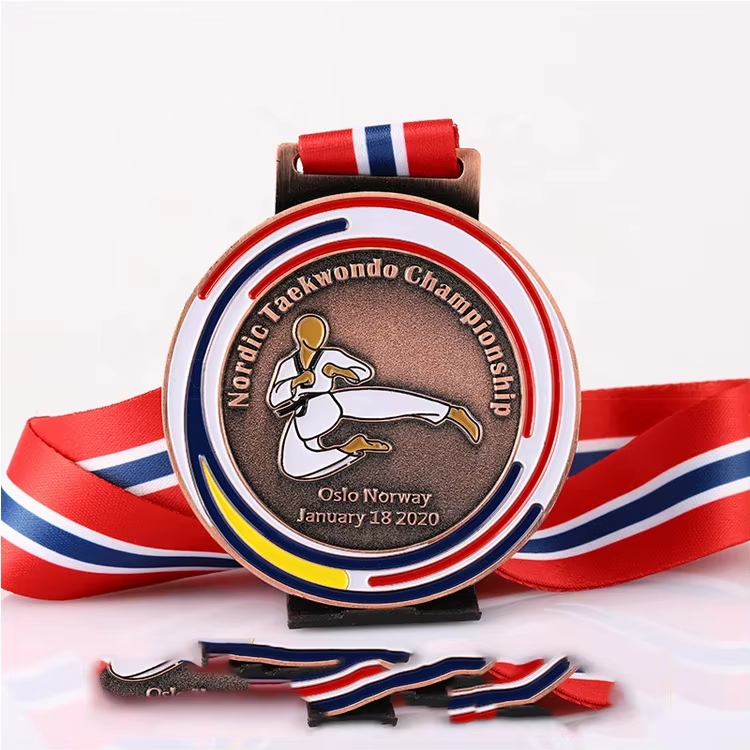
When buying medals for corporate events, sports competitions, military honors, or academic achievements, the material choice fundamentally determines the medal's durability, visual appeal, perceived value, and long-term satisfaction among recipients. Organizations often underestimate how material selection influences not only the physical qualities of the award but also the emotional impact it creates on those who receive it. Understanding the characteristics, advantages, and limitations of different medal materials enables buyers to make informed decisions that align with their budget, event prestige level, and the message they wish to convey through the award.
The process of buying medals involves evaluating multiple material options, each offering distinct properties that affect weight, finish quality, corrosion resistance, and cost-effectiveness. Bronze, zinc alloy, brass, iron, stainless steel, and precious metals each serve different purposes and fit different organizational needs. Beyond the base material itself, factors such as plating options, enamel finishes, and manufacturing techniques significantly influence the final product quality. This comprehensive guide examines the critical material considerations that should guide your purchasing decisions, helping you select medals that deliver both immediate visual impact and lasting value for recipients who may treasure these awards for years or even decades.
Understanding Base Metal Options for Medal Production
Zinc Alloy as a Versatile Foundation Material
Zinc alloy represents one of the most popular choices when buying medals for mass-production events, offering an exceptional balance between affordability and quality. This material consists primarily of zinc combined with small percentages of aluminum, magnesium, and copper, creating a compound that flows easily during the die-casting process. The fluidity of molten zinc alloy allows manufacturers to capture intricate details, fine text, and complex three-dimensional designs that would be difficult or cost-prohibitive with other materials. Organizations purchasing medals for marathons, corporate recognition programs, or school competitions frequently select zinc alloy because it accommodates detailed logos, sponsor names, and decorative elements without significantly increasing production costs.
The density and weight characteristics of zinc alloy contribute to a substantial feel that recipients associate with quality and value. Unlike lightweight alternatives that may feel cheap or temporary, zinc alloy medals possess enough heft to convey importance and prestige. When buying medals made from zinc alloy, purchasers should understand that the base material typically receives additional surface treatments such as gold, silver, bronze, or antique plating to achieve the desired aesthetic. The material accepts various finishing techniques exceptionally well, including soft enamel, hard enamel, and epoxy coatings that protect the surface and enhance visual appeal. The corrosion resistance of zinc alloy varies depending on the plating quality, making it essential to discuss protective coatings with suppliers to ensure medals maintain their appearance over time, especially for outdoor sporting events where exposure to moisture and environmental factors is common.
Bronze and Brass for Traditional Aesthetic Appeal
Bronze and brass have served as traditional medal materials for centuries, carrying historical associations with military honors, Olympic achievements, and prestigious awards that influence modern purchasing decisions. Bronze, an alloy primarily composed of copper and tin, develops a distinctive patina over time that many organizations find desirable for commemorative purposes. When buying medals for heritage events, military ceremonies, or academic institutions that value tradition, bronze offers an authentic material choice that connects contemporary awards to historical precedents. The material's natural aging process creates unique surface characteristics on each medal, making every piece slightly different and adding to the perceived uniqueness of the award.
Brass, composed mainly of copper and zinc, provides a warmer golden appearance in its natural state compared to bronze's reddish-brown tones. Organizations buying medals for events where a rich gold appearance is desired without the expense of gold plating often select brass for its inherent color properties. Both materials offer excellent durability and resistance to impact damage, making them suitable for medals that recipients might handle frequently or display in conditions where they could experience physical contact. The weight of bronze and brass medals conveys substantial value, though this same characteristic increases shipping costs and may be a consideration for organizations distributing awards internationally. When evaluating these traditional materials, buyers should also consider that both bronze and brass require periodic maintenance to preserve their original appearance, though many recipients appreciate the developing patina as evidence of the medal's authenticity and age.
Iron and Stainless Steel for Durability Requirements
Iron serves as a cost-effective base material when buying medals in extremely large quantities where budget constraints are paramount. Stamped iron medals can be produced efficiently at scale, making them suitable for mass-participation events like charity runs, school field days, or promotional campaigns where distribution volume exceeds ten thousand units. The material's primary limitation involves corrosion susceptibility, requiring protective plating or coating to prevent rust formation. Organizations selecting iron medals should ensure suppliers apply adequate protective finishes, particularly for awards that recipients might store in humid environments or that will be distributed in coastal regions where salt air accelerates oxidation.
Stainless steel represents the premium end of ferrous metal options when buying medals that must withstand harsh environmental conditions or require minimal maintenance over extended periods. The chromium content in stainless steel creates a passive oxide layer that naturally protects against corrosion, eliminating the maintenance requirements associated with bronze, brass, or plated materials. Military organizations, maritime institutions, and outdoor adventure competitions frequently specify stainless steel medals because of these durability characteristics. The material's modern, sleek appearance appeals to contemporary design aesthetics, though it typically costs more than zinc alloy or iron alternatives. Stainless steel's hardness also presents manufacturing challenges, limiting the depth and intricacy of design details compared to softer materials, which buyers should consider when evaluating medals with complex three-dimensional features or fine text elements.
Evaluating Surface Finishes and Plating Options
Gold, Silver, and Bronze Plating Considerations
The plating applied to base metals dramatically affects both the visual presentation and durability when buying medals for any purpose. Gold plating involves electrochemically depositing a thin layer of real gold onto the base material, with thickness measured in microns determining both appearance quality and longevity. Standard gold plating typically ranges from 0.3 to 1.0 microns for decorative applications, while premium medals may feature 3-5 micron plating that better resists wear from handling and environmental exposure. Organizations buying medals for annual recurring events should consider thicker plating specifications to ensure consistent appearance across multiple years, as thinner plating may wear through at high-contact points like medal edges or raised design elements.
Silver and bronze plating follow similar electroplating processes but require different maintenance considerations. Silver plating tends to tarnish when exposed to sulfur compounds present in air pollution, requiring periodic cleaning to maintain its bright appearance. Some manufacturers apply anti-tarnish coatings during production that significantly extend the maintenance-free period, an important consideration when buying medals intended for long-term display. Bronze plating offers a vintage aesthetic that appeals to organizations seeking traditional appearance without the cost of solid bronze construction. The plating thickness directly correlates with how long the medal maintains its intended appearance, making it essential to specify minimum plating standards in purchase agreements rather than accepting generic quality assurances from suppliers.
Antique Finishes and Specialty Treatments
Antique finishes involve deliberate oxidation or patination processes that create aged appearances on newly manufactured medals, offering aesthetic options beyond standard bright plating when buying medals for events emphasizing tradition or heritage themes. The antiquing process typically applies to bronze, copper, silver, or gold plating, using chemical treatments to darken recessed areas while highlighting raised design elements. This contrast effect enhances visual depth and makes design details more visible from viewing distances, particularly beneficial for medals with intricate artwork or fine text elements. Organizations buying medals for historical commemorations, centennial celebrations, or awards honoring long-term service often select antique finishes because they convey timelessness and gravity appropriate to the recognition being offered.
Specialty surface treatments extend beyond standard plating to include dual-tone finishes, brushed textures, mirror polishing, and matte surfaces that create distinctive visual effects. Dual-tone medals combine two different plating colors, such as gold and silver, to emphasize specific design elements or create visual contrast between medal components. Brushed finishes apply directional texture that diffuses light reflection and creates sophisticated, understated appearances suitable for corporate recognition programs. When buying medals with specialty finishes, purchasers should request physical samples rather than relying solely on digital renderings, as photography rarely captures the subtle visual qualities that make these treatments effective. The manufacturing complexity of specialty finishes typically increases production time and cost, factors that should be incorporated into event planning timelines and budget allocations.

Enamel and Epoxy Color Applications
Enamel coloring techniques transform monochrome plated medals into vibrant, multicolored awards that effectively communicate brand identities and event themes when buying medals for corporate or sporting applications. Soft enamel, also called traditional enamel, involves filling recessed areas of the medal design with colored enamel paints that cure below the level of raised metal borders, creating a textured surface that recipients can feel. This technique offers cost-effective color application suitable for designs requiring multiple distinct color areas, with the recessed enamel protected by surrounding metal edges from most handling wear. Organizations buying medals in quantities exceeding several hundred units often select soft enamel because it balances visual impact with production efficiency.
Hard enamel, known as cloisonné in traditional applications, involves multiple firing cycles that cure enamel to the same level as surrounding metal surfaces, then polishing the entire medal to achieve a smooth, glass-like finish. The resulting medals exhibit superior scratch resistance and color permanence compared to soft enamel alternatives, making hard enamel the preferred choice when buying medals intended for prestigious awards or recognition programs where perceived quality directly reflects organizational values. Epoxy coating involves applying a clear resin dome over printed or painted medal surfaces, protecting graphics while creating a dimensional, lens-like effect. This technique works particularly well for medals incorporating photographic elements, gradient colors, or complex graphics that would be difficult or expensive to achieve through traditional enameling. The material choice between soft enamel, hard enamel, and epoxy significantly affects both the medal's tactile qualities and its resistance to environmental damage, considerations that should align with how recipients will likely display or store their awards.
Assessing Material Properties for Specific Event Types
Athletic and Sporting Event Requirements
Athletic competitions present unique material considerations when buying medals, as these awards frequently experience exposure to sweat, moisture, outdoor weather conditions, and physical handling during both the award ceremony and subsequent display or storage. Marathon medals, triathlon awards, and competitive sporting events typically distribute thousands of units, making cost-per-piece a significant factor that must be balanced against quality expectations. Zinc alloy with protective plating represents the most common material choice for mass-participation sporting events because it offers sufficient weight and substance while maintaining production costs that allow for creative ribbon attachments, unique shapes, and detailed design elements that enhance the overall award presentation.
Extreme sports competitions and outdoor adventure races may require upgraded material specifications when buying medals that recipients will wear during continued physical activity or in challenging environmental conditions. Stainless steel or heavily plated zinc alloy medals better withstand moisture exposure from rain, river crossings, or post-race celebrations where awards might be worn in water. The ribbon attachment method also becomes a material consideration, with medals featuring reinforced metal loops or welded attachments proving more durable than pressed or crimped connections that may fail under stress. Organizations buying medals for annual sporting events should also consider material consistency across multiple years, as participants who earn awards in successive events often display their collection together, making significant appearance variations between years visually jarring and potentially disappointing to dedicated participants.
Corporate Recognition and Achievement Awards
Corporate recognition programs emphasize perceived value and professional presentation when buying medals for employee service awards, sales achievement recognition, or departmental excellence programs. The material selection directly communicates how much the organization values the recognized achievement, with premium materials and finishes signaling greater importance and appreciation. Brass or bronze medals with high-quality plating suit recognition programs where awards are presented infrequently and the organization wishes to emphasize the exceptional nature of the achievement. The substantial weight of these materials reinforces the gravity of the recognition, while hard enamel or polished finishes create sophisticated appearances appropriate for corporate settings.
Organizations buying medals for quarterly or monthly recognition programs face different material optimization challenges, balancing the need for quality presentation against budget realities when distributing awards more frequently. Zinc alloy medals with dual-tone plating or specialty finishes can deliver visual interest and perceived value at moderate cost points suitable for regular recognition programs. The material durability becomes particularly important for desk display awards that recipients might handle frequently or that remain visible in office environments for extended periods. Corporate buyers should also consider presentation packaging as an extension of material choice, as premium medals presented in basic packaging may lose impact, while moderate medals in professional presentation cases convey greater value and thoughtfulness in the recognition gesture.
Academic and Ceremonial Applications
Academic institutions buying medals for graduation honors, scholarship recognition, or academic competition awards often prioritize traditional materials and classic finishing techniques that align with educational values and institutional heritage. Bronze medals with antique finishes connect contemporary awards to centuries of academic tradition, making them particularly appropriate for universities, colleges, and preparatory schools emphasizing their historical foundations. The material choice should reflect the permanence of the academic achievement being recognized, with graduation medals and advanced degree honors warranting more substantial materials than participation awards for academic clubs or extracurricular activities.
Ceremonial applications including religious confirmations, organizational initiations, and commemorative events present specialized material considerations when buying medals intended for lifelong retention and potential intergenerational transfer. Sterling silver or gold-plated brass medals suit these applications because their intrinsic material value aligns with the spiritual or personal significance of the ceremony being commemorated. The resistance to tarnishing and corrosion becomes paramount for medals that recipients may store for decades in varying environmental conditions, making material quality and protective finishes critical specification points. Organizations buying medals for ceremonial purposes should also consider engraving capabilities, as personalization with names, dates, or specific achievement details typically increases the emotional value and likelihood of long-term retention, making slightly higher material costs worthwhile investments in meaningful recognition.
Analyzing Cost Factors and Budget Optimization
Material Cost Structure and Quantity Considerations
The base material selection when buying medals represents only one component of total cost, with design complexity, finishing specifications, and order quantity creating multiplicative effects on per-unit pricing. Zinc alloy medals typically cost less per piece than brass or bronze alternatives in small quantities, but this differential narrows at higher volumes due to production efficiency factors. Organizations buying medals in quantities exceeding one thousand units should request tiered pricing quotes that reveal cost reductions at various volume thresholds, as manufacturing setup costs amortize more favorably across larger production runs. The material choice interacts with quantity in non-linear ways, with certain materials and manufacturing processes achieving economy of scale at different volume points.
Design complexity significantly impacts material costs regardless of base material selection when buying medals with intricate details or multiple components. Three-dimensional sculpted designs require more sophisticated tooling and longer production times than simple two-dimensional stamped medals, increasing costs even when using identical base materials. Similarly, medals incorporating moving parts, separate components, or assembly requirements multiply manufacturing labor and quality control expenses beyond simple material costs. Budget-conscious buyers can optimize material value by simplifying design elements, reducing the number of distinct color areas in enamel work, or selecting standard shapes rather than custom-cut silhouettes. These design modifications often reduce costs more significantly than switching to cheaper base materials while maintaining the quality perception that drives recipient satisfaction.
Long-Term Value Versus Initial Investment
Organizations buying medals for recurring annual events should evaluate material choices through long-term value frameworks rather than focusing exclusively on minimum initial cost. Higher-quality materials with superior plating and protective finishes maintain their appearance over decades, creating lasting positive associations with the awarding organization. Recipients who display well-preserved medals from events years past serve as ongoing promotional ambassadors, while deteriorated awards that tarnish, corrode, or lose their finish create negative impressions that may discourage participation in future events. The incremental cost difference between basic and premium material specifications often amounts to only a few dollars per medal, a nominal expense when amortized across the years of display life and positive brand reinforcement.
Event organizers buying medals should also consider the hidden costs associated with quality issues stemming from inadequate material specifications. Medals that arrive with finish defects, plating inconsistencies, or durability problems create time-consuming quality disputes with suppliers, potential ceremony delays, and recipient dissatisfaction that damages event reputation. Specifying proven material combinations with established durability records reduces these risk costs, effectively providing insurance value beyond the physical material properties. Organizations with limited experience buying medals benefit from consulting with suppliers about material recommendations based on specific use cases rather than defaulting to lowest-cost options, as experienced manufacturers can identify material specifications that optimize the value equation for particular event types and budget constraints.
Hidden Cost Factors in Material Selection
Shipping and logistics costs vary significantly based on material density and weight when buying medals in large quantities, particularly for international distribution or events in remote locations. Bronze and brass medals weigh substantially more than equivalent zinc alloy alternatives, potentially doubling shipping costs for large orders. Organizations distributing awards internationally should calculate total delivered cost rather than comparing only unit manufacturing prices, as material weight might make seemingly expensive lightweight alternatives more cost-effective overall. Customs valuation and import duties also correlate with material intrinsic value, with precious metal components potentially triggering higher duty rates or requiring additional documentation that adds administrative costs to the procurement process.
Storage and inventory management present ongoing cost considerations for organizations buying medals in advance of events, particularly when medals incorporate materials prone to environmental degradation. Medals with standard plating finishes may require climate-controlled storage to prevent tarnishing or corrosion, adding facility costs to the total investment. Packaging requirements also vary by material, with delicate finishes necessitating individual protective wrapping that increases both material costs and storage volume. Organizations managing medal procurement across multiple events or distributing awards throughout extended time periods should factor these secondary costs into material selection decisions, potentially justifying premium finishes that eliminate special storage requirements over materials requiring careful handling and environmental controls.
Ensuring Material Quality and Supplier Reliability
Specification Documentation and Quality Standards
Professional procurement processes when buying medals require detailed material specifications documented in purchase agreements rather than relying on generic quality descriptions or supplier assurances. Specifications should include base material composition, plating type and minimum thickness measured in microns, finishing techniques, dimensional tolerances, and acceptable defect rates defined with measurable criteria. Organizations purchasing significant medal quantities should reference industry standards such as ASTM plating specifications or ISO quality management standards in their procurement documents, establishing objective benchmarks that suppliers must meet and providing enforceable quality requirements if disputes arise.
Material certification documentation provides verification that supplied medals meet specified standards when buying medals from manufacturers, particularly important for precious metal components or applications requiring specific material properties. Reputable suppliers provide material certificates confirming alloy composition, plating thickness, and finish specifications, documentation that protects buyers from receiving inferior substitutions. Organizations buying medals for applications with regulatory requirements or institutional policies regarding material standards should explicitly require certification documentation in purchase agreements and verify that supplier quality management systems include appropriate testing protocols. The absence of documented quality standards represents a significant risk factor that should influence supplier selection decisions, as manufacturers unwilling to provide material specifications likely lack consistent quality control processes.
Sample Evaluation and Pre-Production Approval
Physical sample evaluation represents the most reliable quality assessment method when buying medals, revealing material properties and finish quality that photographs cannot adequately convey. Organizations should request pre-production samples manufactured using the exact materials, plating, and finishing techniques specified for the full production run, not generic samples from previous orders that may not reflect the planned manufacturing approach. Sample evaluation should assess material weight and substance, plating uniformity and adhesion, enamel application quality, edge finishing, and overall craftsmanship standards. Handling the physical sample reveals tactile qualities that influence perceived value, allowing buyers to identify potential quality concerns before committing to full production.
Pre-production approval processes protect buyers from receiving finished medals that fail to meet expectations when buying medals in quantities making individual inspection impractical. Formal approval procedures require manufacturers to produce representative samples from actual production tooling and processes, then obtain explicit written approval before proceeding with full manufacturing runs. This protocol ensures that any design interpretations, material substitutions, or manufacturing technique variations are identified and addressed before resources are committed to large-scale production. Organizations buying medals should resist supplier pressure to expedite approval or skip sample stages, as the time invested in thorough pre-production review prevents far more costly problems, delays, and quality disputes during the critical period immediately before events when manufacturing corrections become impossible.
Post-Delivery Quality Verification
Incoming quality inspection procedures provide final verification that received medals meet material specifications when buying medals, particularly important for large orders where statistical sampling can identify systemic quality issues before medals are distributed to recipients. Inspection protocols should verify that plating appearance and thickness match approved samples, enamel colors align with specifications, no manufacturing defects exceed acceptable thresholds, and all medals exhibit consistent quality across the production lot. Organizations lacking internal quality inspection capabilities may engage third-party inspection services to verify medal quality before accepting delivery, particularly valuable for international purchases where return logistics make post-acceptance corrections impractical.
Long-term material performance monitoring helps organizations refine specifications for future purchases when buying medals for recurring events, building institutional knowledge about which material combinations deliver optimal value. Systematic follow-up with medal recipients after six months, one year, or longer periods reveals how different materials and finishes perform in actual use conditions, information that improves future procurement decisions. Organizations should photograph and document any material degradation, plating wear, or finish deterioration, creating evidence bases that inform supplier discussions and specification refinement. This performance feedback loop transforms medal procurement from reactive purchasing to strategic material selection based on empirical outcome data, progressively improving value realization across successive buying cycles.
FAQ
What is the most durable material for medals that will be worn or handled frequently?
Stainless steel offers the highest durability for medals experiencing frequent handling or environmental exposure, as its chromium oxide layer naturally resists corrosion without requiring protective plating. For medals requiring more intricate designs, zinc alloy with thick plating of 3-5 microns provides excellent durability while accommodating detailed artwork. Hard enamel finishes significantly increase surface scratch resistance regardless of base material. When buying medals for athletic events where awards will be worn during continued physical activity, specify reinforced attachment points and avoid thin plating that wears through at contact areas.
How much should plating thickness matter when buying medals for long-term display?
Plating thickness directly determines how long medals maintain their intended appearance, making it critical for awards intended for permanent display or long-term retention. Standard decorative plating of 0.3-1.0 microns may show wear within months at high-contact points, while premium 3-5 micron plating maintains appearance for years or decades. When buying medals for prestigious recognition programs or commemorative purposes where recipients will likely display awards permanently, specify minimum 2-3 micron plating thickness and request material certification documentation. The incremental cost of thicker plating typically adds only modest expense while dramatically extending the medal's effective display life and recipient satisfaction.
Are there material considerations specific to medals being shipped internationally?
International shipping creates unique material considerations including weight-based shipping costs, customs valuation impacts, and environmental exposure during extended transit. Bronze and brass medals cost significantly more to ship internationally than zinc alloy alternatives due to density differences. Precious metal components may trigger higher customs duty rates and require additional import documentation. When buying medals for international distribution, request moisture-barrier packaging for materials susceptible to corrosion, particularly important for shipments to humid climates or coastal regions. Calculate total delivered cost including shipping and duties rather than comparing only manufacturing prices, as material weight differences can reverse the cost-effectiveness of seemingly cheaper options.
Can cheaper base materials look as premium as expensive materials with proper finishing?
Proper finishing techniques can make zinc alloy medals appear virtually indistinguishable from solid brass or bronze alternatives at typical viewing distances, making finish quality often more important than base material selection for visual presentation. High-quality plating, professional enamel application, and sophisticated finishing techniques create premium appearances regardless of base material. However, weight differences remain detectable when handling medals, with zinc alloy feeling lighter than brass or bronze of equivalent dimensions. When buying medals where visual presentation matters more than tactile substance, invest in premium finishing applied to cost-effective base materials. For awards where recipients will frequently handle medals or where weight conveys importance, traditional heavier materials justify their additional cost through superior tactile qualities that finishing cannot replicate.
Table of Contents
- Understanding Base Metal Options for Medal Production
- Evaluating Surface Finishes and Plating Options
- Assessing Material Properties for Specific Event Types
- Analyzing Cost Factors and Budget Optimization
- Ensuring Material Quality and Supplier Reliability
-
FAQ
- What is the most durable material for medals that will be worn or handled frequently?
- How much should plating thickness matter when buying medals for long-term display?
- Are there material considerations specific to medals being shipped internationally?
- Can cheaper base materials look as premium as expensive materials with proper finishing?