
 EN
EN



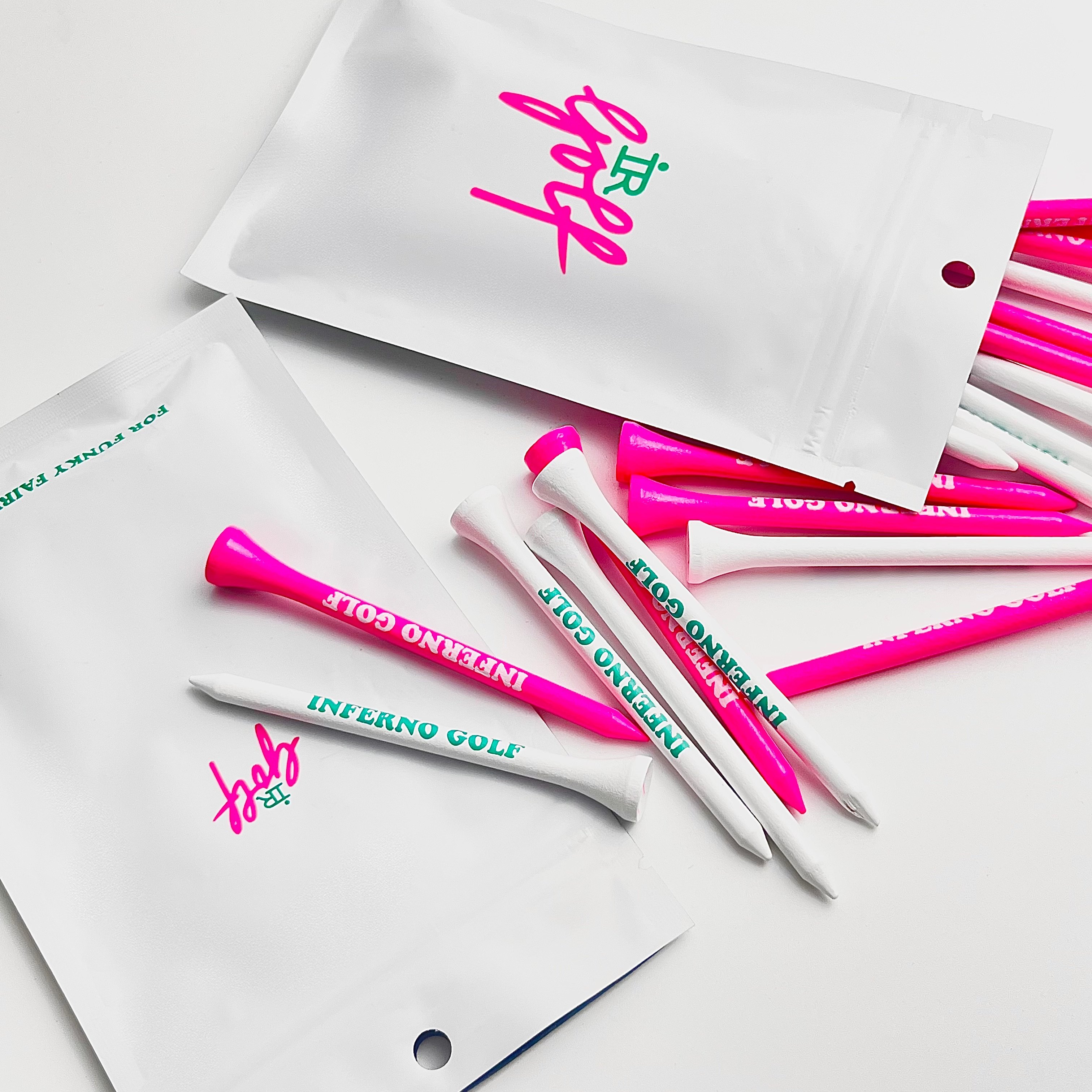
Every golfer knows that success on the course depends on precision, technique, and the right equipment. While clubs and balls often receive the most attention, one fundamental piece of equipment frequently gets overlooked: the golf tee. This small but crucial accessory plays a vital role in setting up each drive and can significantly impact your performance throughout the round. Understanding what makes a high-quality golf tee essential will help you make informed decisions that enhance your game and improve your overall golfing experience.
Understanding Golf Tee Construction and Materials
Traditional Wood Construction Benefits
Wooden golf tees have dominated the market for decades due to their reliable performance and biodegradable properties. High-quality wooden tees are typically crafted from hardwoods like birch or maple, which provide excellent durability while maintaining the flexibility needed for optimal ball positioning. The natural grain structure of quality wood allows the tee to break cleanly upon impact, reducing the risk of damaging your club face or affecting ball trajectory.
Professional golfers often prefer wooden tees because they offer consistent height and stability across various course conditions. The manufacturing process for premium wooden tees involves precision cutting and sanding to ensure uniform dimensions and smooth surfaces. This attention to detail prevents unwanted friction between the ball and tee during setup, allowing for cleaner contact and more predictable ball flight patterns.
Advanced Material Innovations
Modern golf tee manufacturing has embraced innovative materials like bamboo, composite plastics, and recycled materials to enhance performance while addressing environmental concerns. Bamboo tees, in particular, have gained popularity due to their exceptional strength-to-weight ratio and rapid renewable growth cycle. These materials often provide superior durability compared to traditional wood while maintaining the essential characteristics that golfers depend on for consistent performance.
Composite and plastic tees offer unique advantages including weather resistance, consistent flexibility, and the ability to incorporate specialized features like height markings or aerodynamic designs. Some manufacturers have developed proprietary material blends that combine the best aspects of multiple materials, creating tees that offer enhanced durability without compromising the natural feel that golfers prefer during setup and impact.
Height Specifications and Performance Impact
Standard Height Categories
Golf tee height significantly influences ball trajectory, spin rate, and overall shot performance. Standard tees typically range from 54mm to 83mm in length, with each category designed for specific club types and playing preferences. Shorter tees work best with irons and fairway woods, providing just enough elevation to clear the ground while maintaining a penetrating ball flight that maximizes distance and control.
Longer tees are specifically designed for modern drivers with larger club heads and higher lofts. The additional height allows golfers to position the ball optimally relative to the club's sweet spot, promoting an upward angle of attack that maximizes carry distance and reduces spin for straighter flights. Professional fitting experts recommend matching golf tee height to your specific driver specifications and swing characteristics for optimal performance.
Custom Height Considerations
Advanced golfers often experiment with custom tee heights to fine-tune their launch conditions for different course situations and weather conditions. Higher tee positions generally promote higher launch angles and increased carry distance, making them ideal for courses with soft fairways or when playing into headwinds. Conversely, lower tee heights produce more penetrating ball flights that perform better in crosswinds or on firm, fast-running fairways.
The relationship between tee height and club loft creates opportunities for strategic shot shaping and distance optimization. Understanding these interactions allows skilled players to adjust their tee height based on pin positions, hazard locations, and course conditions. Quality tees with consistent dimensions enable golfers to replicate successful setups and build confidence in their ability to execute specific shots under varying circumstances.
Durability and Consistency Factors
Manufacturing Quality Standards
High-quality golf tees undergo rigorous manufacturing processes that ensure consistent dimensions, surface finish, and structural integrity. Premium manufacturers implement quality control measures that test each batch for uniformity in height, diameter, and breaking strength. These standards are crucial because inconsistent tees can affect ball positioning, create setup uncertainty, and potentially damage expensive golf equipment.
The finishing process for quality tees includes precision sanding and surface treatment that eliminates rough spots or irregular surfaces that could interfere with ball placement or club contact. Professional-grade tees often feature tapered points that penetrate turf easily while maintaining structural stability throughout the swing. This attention to manufacturing detail ensures that each golf tee performs predictably under the stresses of impact and varying ground conditions.
Environmental Resistance Properties
Premium golf tees are designed to withstand various environmental conditions including moisture, temperature fluctuations, and prolonged sun exposure. Quality wooden tees receive treatments that prevent warping, cracking, or dimensional changes that could affect performance. These protective measures ensure that tees maintain their intended specifications throughout their usable life, providing consistent performance across multiple rounds and seasons.
Weather resistance becomes particularly important for golfers who play in diverse climates or store their equipment in varying conditions. High-quality tees retain their structural integrity and dimensional accuracy even after exposure to rain, extreme temperatures, or high humidity. This reliability allows golfers to focus on their game without concerns about equipment failure or inconsistent performance from their tees.
Performance Enhancement Features
Aerodynamic Design Elements
Modern golf tee designs incorporate aerodynamic principles to minimize air resistance and reduce the tee's impact on ball flight. Streamlined profiles and reduced cross-sectional areas help decrease drag forces that could potentially affect ball trajectory during the initial moments after impact. These design refinements are particularly beneficial for golfers with high swing speeds who generate significant clubhead velocity.
Some advanced tee designs feature specially shaped crowns or reduced-contact surfaces that minimize the interface between the tee and ball during impact. These innovations aim to reduce friction and eliminate any potential interference with the ball's natural flight characteristics. Professional players often prefer these advanced designs because they provide confidence that their equipment is optimized for maximum performance without introducing variables that could affect shot outcomes.
Specialized Surface Treatments
Quality golf tees may incorporate surface treatments or coatings designed to enhance grip, reduce friction, or improve visibility during setup. Anti-slip surfaces help prevent the ball from rolling off the tee during windy conditions or on sloped tee boxes, while friction-reducing treatments can promote cleaner ball release during impact. These specialized features address common challenges that golfers face during setup and execution.
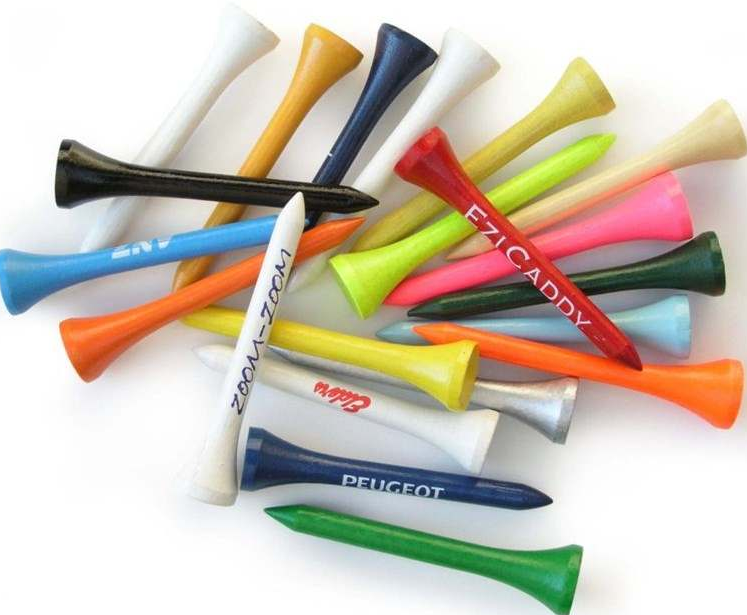
Visibility enhancements such as contrasting colors or reflective elements help golfers position the ball accurately and maintain proper alignment during setup routines. Some manufacturers offer tees with measurement markings or alignment aids that assist with consistent ball positioning relative to stance and target line. These features become particularly valuable during tournament play or when working on specific aspects of setup and swing mechanics.
Environmental and Economic Considerations
Sustainability and Biodegradability
Environmental consciousness has become increasingly important in golf equipment selection, with many golfers preferring biodegradable options that minimize their ecological footprint. High-quality wooden and bamboo tees naturally decompose when left on the course, contributing organic matter to the soil without creating lasting waste. This environmental benefit aligns with golf course maintenance practices and sustainability initiatives promoted by many facilities.
Sustainable manufacturing practices for golf tees include responsible forestry management, efficient production processes, and minimal packaging waste. Leading manufacturers often source their raw materials from certified sustainable sources and implement production methods that reduce energy consumption and waste generation. These practices ensure that environmentally conscious golfers can choose products that align with their values without compromising performance quality.
Cost-Effectiveness Analysis
While premium golf tees may cost more initially, their superior durability and consistent performance often provide better long-term value compared to budget alternatives. High-quality tees break less frequently, maintain their dimensions longer, and provide more reliable performance throughout their usable life. This durability translates to fewer replacements needed and more consistent shot setup opportunities during rounds.
The relationship between tee quality and equipment protection also factors into cost-effectiveness calculations. Premium tees that break cleanly and predictably reduce the risk of club damage that could result from impact with inferior tees or tee fragments. Professional golfers often view quality tees as insurance against potential equipment damage while ensuring optimal performance conditions for every drive.
FAQ
What length golf tee should I use for my driver
The optimal tee length for your driver depends on your club specifications and swing characteristics. Most modern drivers work best with tees ranging from 70mm to 83mm in length. Position the ball so that its equator aligns with the top of your driver's crown when the club rests naturally behind the ball. This setup promotes an optimal launch angle and maximizes distance potential while reducing excessive spin.
Do expensive golf tees really make a difference
High-quality golf tees provide several performance advantages including consistent dimensions, reliable durability, and predictable breaking characteristics. These factors contribute to more consistent ball positioning, reduced setup time, and protection for your expensive clubs. While the difference may seem minimal, serious golfers often notice improved confidence and consistency when using premium tees compared to basic alternatives.
How often should I replace my golf tees
Replace golf tees when they show signs of damage, dimensional changes, or surface irregularities that could affect ball positioning or club contact. Quality wooden tees typically last for multiple uses if they break cleanly, while damaged or splintered tees should be discarded immediately. Inspect your tees regularly and maintain a fresh supply to ensure consistent performance throughout your rounds.
Can golf tee material affect ball flight
Golf tee material can influence ball flight through factors such as friction, flexibility, and breaking characteristics during impact. High-quality materials that break cleanly and consistently provide more predictable results compared to inferior materials that may splinter or create irregular contact. While the effect is subtle, competitive golfers often prefer specific materials that complement their swing characteristics and provide optimal launch conditions.