
 EN
EN



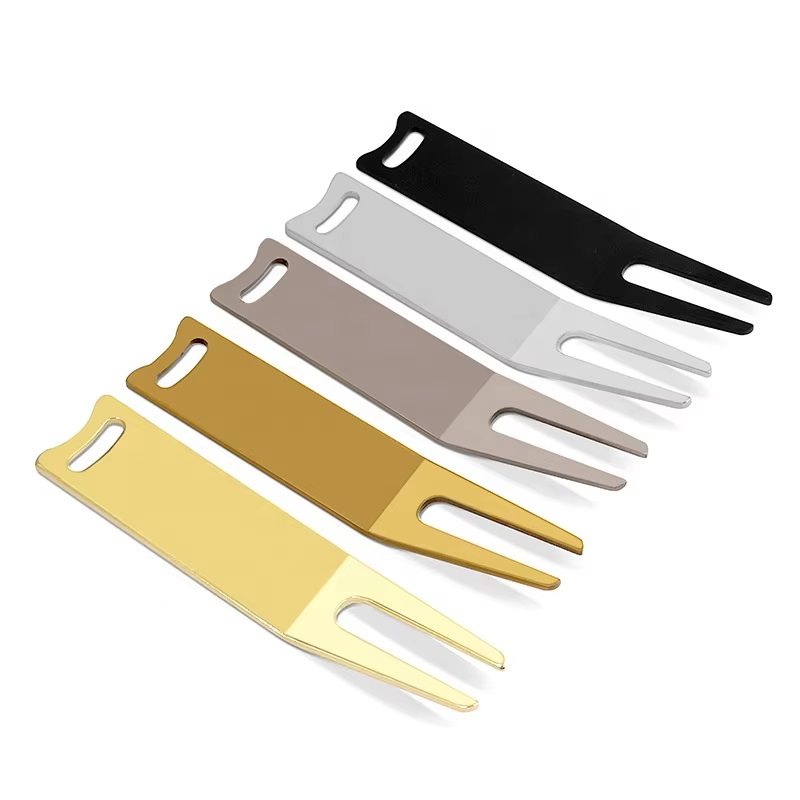
A divot tool represents one of the most essential accessories every golfer should carry in their bag, regardless of skill level or playing frequency. This small but mighty implement plays a crucial role in maintaining course conditions and demonstrating proper golf etiquette. Understanding what a divot tool is and mastering its proper usage can significantly enhance your golfing experience while contributing to the preservation of pristine playing surfaces that all golfers appreciate.
The primary function of this specialized golf tool extends beyond simple course maintenance, encompassing aspects of sportsmanship, respect for fellow players, and preservation of the game's traditions. Modern golfers who consistently use their divot tool contribute to faster playing conditions, reduced maintenance costs for golf courses, and an overall enhanced experience for everyone who walks the fairways and greens.
Understanding the Anatomy and Design of a Divot Tool
Essential Components and Construction
Every divot tool features a distinctive two-pronged design specifically engineered for precision and effectiveness on golf course greens. The prongs, typically measuring between two to three inches in length, are strategically spaced to provide optimal leverage when addressing ball marks and pitch marks on putting surfaces. Quality divot tools are constructed from durable materials such as stainless steel, aluminum, or high-grade plastics that can withstand repeated use in various weather conditions.
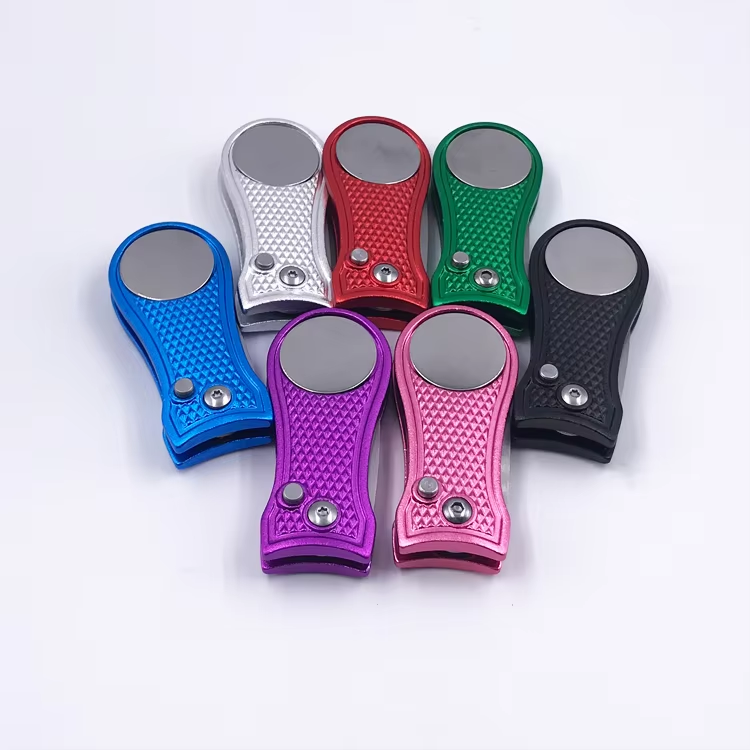
The handle portion of a divot tool often incorporates ergonomic design principles to ensure comfortable grip and control during use. Many modern versions include additional features such as magnetic ball markers, groove cleaners, or decorative elements that reflect personal style preferences. The compact size of these tools makes them easy to carry in golf bags, pockets, or attached to golf gloves using retractable cords.
Material Quality and Durability Considerations
Premium divot tools are manufactured using corrosion-resistant materials that maintain their functionality and appearance despite exposure to moisture, soil, and frequent handling. Stainless steel varieties offer superior longevity and resistance to bending or breaking under normal use conditions. The finish quality of a well-made divot tool should resist scratching and maintain its appearance throughout multiple seasons of regular golfing activity.
Weight distribution in quality divot tools provides the perfect balance between substantial feel and practical portability. Professional-grade options often feature reinforced prong connections and stress-tested joints that prevent failure during extended use. The investment in a high-quality divot tool pays dividends through years of reliable performance and enhanced golfing experiences.
Proper Techniques for Using a Divot Tool on the Green
Step-by-Step Ball Mark Repair Process
Effective ball mark repair begins with proper identification of the damaged area on the putting surface. Insert the divot tool prongs into the turf at a shallow angle, approximately one inch outside the perimeter of the ball mark indentation. Gently push the displaced soil and grass roots toward the center of the mark, working systematically around the entire circumference to restore the original surface contour.
The key to successful repair lies in avoiding excessive force or aggressive movements that could cause additional damage to the delicate putting surface. Work methodically around the ball mark, using small pushing motions rather than lifting or pulling actions. Once the surface appears level with the surrounding green, use the flat portion of your divot tool or the sole of your putter to gently tap down the repaired area, ensuring proper integration with the existing turf.
Advanced Repair Techniques for Challenging Marks
Older or deeply embedded ball marks require modified approach techniques to achieve optimal restoration results. For these challenging situations, begin by carefully loosening the compacted soil around the mark's edges before attempting to push material toward the center. Multiple gentle passes with the divot tool often prove more effective than single aggressive attempts at repair.
Professional groundskeepers recommend addressing ball marks within minutes of their creation for optimal healing and recovery rates. However, when encountering older marks left by previous groups, patience and systematic approach yield the best restoration outcomes. The goal remains consistent: restore the putting surface to its original condition while minimizing disruption to the surrounding healthy turf.
Golf Course Etiquette and Divot Tool Responsibility
Understanding Your Role in Course Maintenance
Every golfer who steps onto a course assumes responsibility for maintaining the playing conditions for fellow players and future rounds. Using a divot tool properly represents a fundamental aspect of golf etiquette that demonstrates respect for the game, the course, and other participants. This responsibility extends beyond repairing your own ball marks to addressing any unrepaired damage encountered during your round.
Course superintendents and maintenance crews work tirelessly to provide optimal playing conditions, but their efforts are significantly enhanced when golfers actively participate in preservation activities. A single unrepaired ball mark can take weeks to heal naturally, while proper divot tool usage enables recovery within days. This collaborative approach between players and maintenance staff ensures consistently excellent playing surfaces throughout the season.
Building Positive Relationships Through Proper Tool Usage
Golfers who consistently demonstrate proper divot tool usage often find themselves welcome at prestigious courses and invited to participate in exclusive events. This attention to detail and respect for course conditions speaks volumes about character and understanding of golf's deeper traditions. Playing partners appreciate companions who actively maintain course quality, leading to enhanced relationships and future playing opportunities.
The visible commitment to course care through diligent divot tool usage creates positive impressions with golf professionals, course staff, and fellow members. These relationships often translate into valuable networking opportunities, improved handicap conditions, and access to premium tee times and special events throughout the golfing calendar.
Selecting the Right Divot Tool for Your Needs
Evaluating Features and Functionality Options
Modern divot tool selection involves consideration of multiple factors including primary intended use, frequency of play, and personal preference regarding additional features. Basic models focus exclusively on ball mark repair functionality, while premium options incorporate magnetic ball markers, club groove cleaners, and custom engraving possibilities. Professional golfers often prefer streamlined designs that prioritize core functionality over decorative elements.
Weight and balance characteristics significantly impact user experience and effectiveness during actual course conditions. Lightweight aluminum models appeal to golfers who prioritize portability, while heavier stainless steel versions provide enhanced leverage and durability for frequent use. Testing different styles and weights helps identify the optimal divot tool configuration for individual playing styles and preferences.
Investment Considerations and Long-Term Value
Quality divot tools represent a one-time investment that provides decades of reliable service when selected thoughtfully. Premium materials and construction techniques justify higher initial costs through extended service life and consistent performance characteristics. Golfers who play multiple rounds weekly benefit from investing in professional-grade tools that withstand intensive use without compromising effectiveness.
Customization options such as personalized engraving or unique finishes add meaningful value for golfers who appreciate distinctive accessories. These personalized elements often serve as conversation starters and memorable gifts for fellow golf enthusiasts. The combination of functional excellence and personal expression makes a quality divot tool an essential component of any serious golfer's equipment collection.
Maintenance and Care for Your Divot Tool
Cleaning and Storage Best Practices
Proper maintenance extends the service life of any divot tool while ensuring optimal performance during critical course situations. Regular cleaning after each round removes accumulated soil, grass stains, and moisture that could lead to corrosion or degraded functionality. Simple warm water rinses followed by thorough drying prevent most common maintenance issues and preserve the tool's appearance.
Storage considerations include protecting the divot tool from extreme temperature fluctuations and excessive moisture exposure during off-season periods. Dedicated compartments in golf bags provide ideal protection, while magnetic attachments to golf carts or accessories offer convenient accessibility during active play. Avoiding storage in damp environments prevents corrosion and maintains the tool's structural integrity over time.
Recognizing When Replacement Becomes Necessary
Even high-quality divot tools eventually require replacement due to normal wear patterns and mechanical stress from repeated use. Bent or damaged prongs compromise effectiveness and may actually cause additional damage to putting surfaces during repair attempts. Sharp edges or rough surfaces indicate the need for immediate replacement to prevent injury and maintain proper functionality.
Professional golfers typically maintain multiple divot tools to ensure availability during tournament conditions and extended playing periods. This redundancy approach prevents situations where equipment failure could impact performance or course maintenance responsibilities. Regular inspection and proactive replacement ensure consistent access to properly functioning repair tools throughout the golfing season.
FAQ
How often should I use my divot tool during a typical round of golf
You should use your divot tool every time your ball creates a mark on the green, which typically occurs on approach shots from 100 yards or closer. Additionally, repair any unrepaired ball marks you encounter from previous groups. Most golfers will use their divot tool 3-5 times per round, depending on their accuracy with approach shots and the number of unrepaired marks they discover on the greens.
Can using a divot tool incorrectly damage the putting surface
Yes, improper divot tool technique can cause significant damage to delicate putting surfaces. Lifting or pulling motions can tear grass roots and create larger damaged areas than the original ball mark. Always push soil toward the center of the mark using gentle pressure, and avoid inserting the prongs too deeply into the turf. When in doubt, ask a golf professional or experienced player to demonstrate proper technique.
What is the difference between expensive and budget divot tools
Premium divot tools typically feature superior materials like stainless steel construction, ergonomic handle designs, and additional features such as magnetic ball markers or groove cleaners. Budget options may use lighter materials that bend more easily or lack the durability for frequent use. However, both can effectively repair ball marks when used properly, making the choice largely dependent on personal preferences and frequency of use.
Should I carry multiple divot tools or is one sufficient
Most recreational golfers find one quality divot tool sufficient for their needs, though carrying a backup prevents situations where loss or damage leaves you unable to repair ball marks. Tournament players and frequent golfers often carry multiple tools for convenience and redundancy. Consider your playing frequency, tendency to lose small items, and personal preferences when deciding whether to carry multiple divot tools in your golf bag.