
 EN
EN



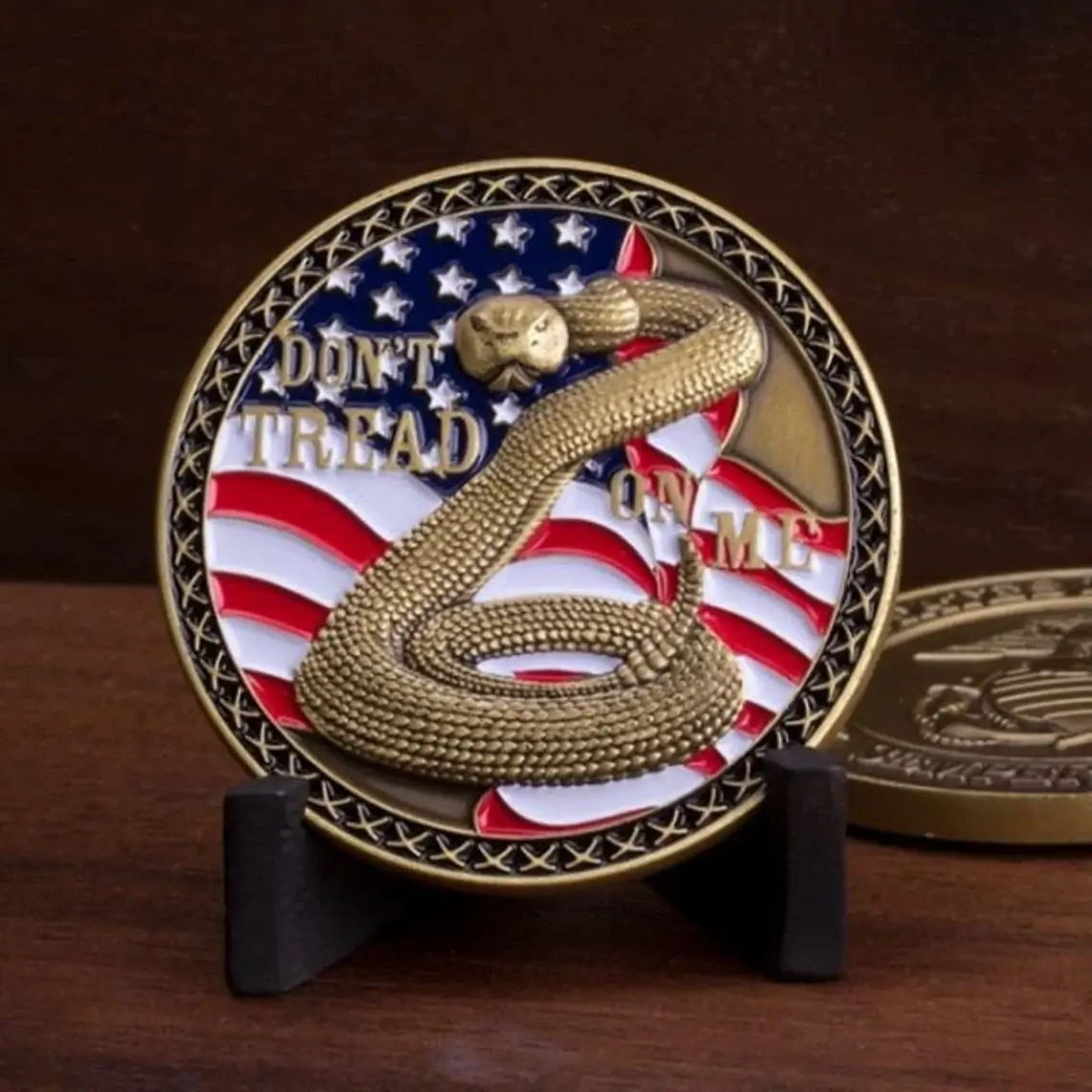
Collectors, organizations, and businesses often face the decision between metal coins and enamel coins when commissioning custom pieces. Understanding the fundamental differences between these two distinct types of commemorative items helps ensure you select the right option for your specific needs. Metal coins represent the traditional approach to coin manufacturing, utilizing various alloys and finishes to create durable, classic pieces. Enamel coins, on the other hand, incorporate colorful enamel fills that add vibrant visual elements to the design. Both options serve different purposes and offer unique advantages depending on your intended use, budget, and aesthetic preferences.
Manufacturing Process Differences
Metal Coin Production Methods
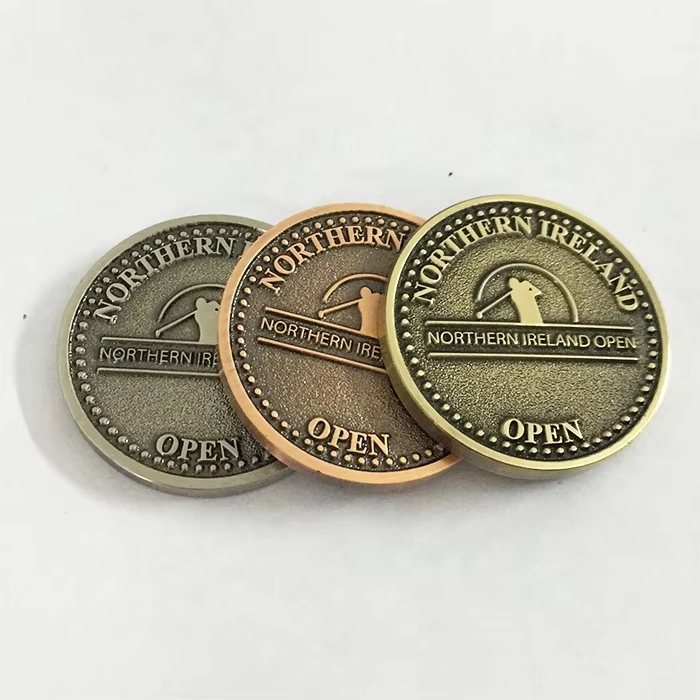
The production of metal coins follows a time-tested process that begins with die creation and metal preparation. Manufacturers typically use brass, bronze, zinc alloy, or iron as base materials for metal coins. The striking process involves pressing the prepared metal blanks under tremendous pressure to imprint the desired design elements. This traditional method creates raised and recessed areas that define the coin's visual and tactile characteristics. The absence of additional color elements means the entire aesthetic relies on the interplay of light and shadow across the metal surface.
Quality control during metal coin production focuses on dimensional accuracy, surface finish consistency, and proper edge definition. The manufacturing timeline for metal coins is generally shorter since there are fewer processing steps involved. This streamlined production approach often results in more cost-effective pricing, especially for larger quantity orders. The simplicity of the manufacturing process also allows for greater flexibility in meeting tight delivery deadlines.
Enamel Coin Creation Process
Enamel coin production requires additional steps beyond the basic metal striking process. After creating the base metal coin, manufacturers carefully apply liquid enamel paint to designated recessed areas of the design. The enamel application requires precision to ensure proper coverage and prevent color bleeding between different design elements. Once applied, the coins undergo a curing process that hardens the enamel and creates a durable, glossy finish that resists fading and scratching.
The complexity of enamel coin production increases with the number of colors used in the design. Each color typically requires a separate application and curing cycle, extending the overall manufacturing timeline. Quality control for enamel coins involves additional inspections to verify color accuracy, coverage completeness, and proper adhesion between the enamel and base metal. These extra steps contribute to higher production costs but result in visually striking pieces with enhanced aesthetic appeal.
Design Capabilities and Limitations
Metal Coin Design Features
Traditional metal coins excel at showcasing intricate details through raised relief and textural variations. The monochromatic nature of metal coins demands careful attention to design hierarchy and contrast to ensure readability and visual impact. Designers working with metal coins must rely on different surface finishes, such as polished, matte, or antiqued areas, to create visual distinction between design elements. Fine line work, detailed portraits, and complex geometric patterns translate exceptionally well to metal coin formats.
The three-dimensional qualities achievable with metal coins allow for dramatic depth perception that can make designs appear to emerge from the coin surface. Edge treatments on metal coins can incorporate reeding, rope patterns, or custom text that adds functional and aesthetic value. The durability of metal coins makes them ideal for designs intended to withstand frequent handling or outdoor exposure without losing their visual appeal.
Enamel Coin Design Possibilities
Enamel coins open up extensive color palette options that allow designers to incorporate brand colors, realistic imagery, or symbolic color schemes into their designs. The ability to use multiple colors enables the creation of flags, logos with specific color requirements, or designs that require color coding for different elements. Soft enamel and hard enamel techniques offer different aesthetic outcomes, with soft enamel providing texture variation and hard enamel delivering smooth, uniform surfaces.
Color gradients and photographic reproduction are challenging to achieve in enamel coin designs due to the discrete nature of individual color applications. Designers must simplify complex images into distinct color areas while maintaining the overall visual impact of the original concept. The interplay between colored enamel areas and exposed metal creates opportunities for sophisticated design compositions that combine the best aspects of both materials.
Durability and Longevity Considerations
Metal Coin Durability Factors
The inherent durability of metal coins stems from their homogeneous material composition and proven metallurgical properties. Properly manufactured metal coins resist corrosion, tarnishing, and mechanical wear when made from appropriate alloys and finished with protective coatings. The absence of applied surface materials eliminates concerns about delamination or color fading that might affect the long-term appearance of the coins.
Environmental factors such as humidity, temperature fluctuations, and chemical exposure have minimal impact on well-made metal coins. The solid construction of metal coins makes them suitable for applications where physical durability is paramount, such as challenge coins carried in pockets or awards displayed in varying environmental conditions. Regular cleaning and maintenance can restore the original luster of metal coins even after years of use or display.
Enamel Coin Longevity Characteristics
The longevity of enamel coins depends significantly on the quality of the enamel application and curing process used during manufacturing. High-quality enamel exhibits excellent resistance to UV radiation, preventing color fading even with prolonged exposure to sunlight. The hardened enamel surface provides protection against minor scratches and abrasions that might occur during normal handling or display.
Temperature extremes and chemical exposure can potentially affect enamel integrity over extended periods, though properly manufactured enamel coins demonstrate remarkable resilience under normal usage conditions. The bond between the enamel and base metal is critical for long-term durability, making manufacturer selection and quality control processes essential factors in determining overall longevity. Regular gentle cleaning helps maintain the vibrant appearance of enamel coins while preventing the accumulation of contaminants that might affect the surface finish.
Cost Analysis and Budget Considerations
Metal Coin Pricing Factors
The straightforward manufacturing process of metal coins typically results in lower per-unit costs compared to enamel alternatives, particularly for larger quantity orders. Base metal selection significantly impacts pricing, with brass and bronze generally offering better value than precious metal options. The absence of color application steps reduces both material costs and labor requirements, contributing to overall cost efficiency for budget-conscious projects.
Tooling costs for metal coins are often lower since the die requirements are less complex than those needed for multi-color enamel applications. Volume pricing becomes increasingly favorable for metal coins as quantities increase, making them an attractive option for large corporate orders or military unit requirements. Rush order surcharges tend to be lower for metal coins due to the simplified production timeline and reduced processing steps.
Enamel Coin Investment Considerations
The additional processing steps required for enamel coins result in higher per-unit costs, though the enhanced visual impact often justifies the increased investment for many applications. Color complexity directly affects pricing, with each additional enamel color adding to both material and labor costs. The specialized skills required for enamel application contribute to higher manufacturing costs compared to standard metal coin production.
Setup costs for enamel coins include additional considerations for color matching, enamel procurement, and extended quality control procedures. Despite higher initial costs, enamel coins often provide better value for applications where visual impact and brand recognition are primary considerations. The premium appearance of enamel coins can enhance perceived value for recipients, making them worthwhile investments for high-visibility promotional campaigns or prestigious award programs.
Application-Specific Recommendations
Corporate and Business Applications
Corporate recognition programs benefit significantly from the professional appearance and durability of metal coins, particularly when frequent handling is expected. Employee achievement awards and service recognition coins demonstrate lasting value when crafted from quality metals with appropriate surface finishes. The classic appearance of metal coins aligns well with traditional corporate aesthetics and conveys a sense of permanence and value.
Brand promotion initiatives may favor enamel coins when corporate color schemes are essential to brand recognition and marketing effectiveness. Trade show giveaways and promotional items can leverage the eye-catching appeal of colorful enamel designs to attract attention and reinforce brand messaging. The decision between metal and enamel coins for corporate applications should consider brand guidelines, budget constraints, and intended distribution methods.
Military and Commemorative Uses
Military challenge coins traditionally favor metal construction due to durability requirements and historical precedent within military culture. The ability of metal coins to withstand field conditions while maintaining their appearance makes them ideal for units that may deploy to challenging environments. The tactile qualities of metal coins contribute to their authenticity and perceived value within military traditions.
Commemorative events may benefit from enamel coin designs when specific colors hold symbolic significance or when visual impact is crucial for the commemorative purpose. Memorial coins, anniversary celebrations, and special event recognition can utilize enamel colors to convey meaning and enhance emotional connection. The choice between metal coins and enamel options for commemorative purposes should reflect the significance of the event and the preferences of the intended recipients.
FAQ
How long do metal coins typically last compared to enamel coins
Both metal coins and enamel coins can last decades when properly manufactured and cared for. Metal coins may have a slight longevity advantage due to their homogeneous construction, but high-quality enamel coins demonstrate comparable durability under normal usage conditions. The key factors affecting lifespan include base metal quality, manufacturing processes, and environmental exposure rather than the presence or absence of enamel elements.
Can existing metal coin designs be converted to enamel versions
Most metal coin designs can be adapted for enamel production, though some modifications may be necessary to accommodate color application requirements. The recessed areas needed for enamel placement might require design adjustments to ensure proper coverage and visual balance. Working with experienced manufacturers helps determine the feasibility of design conversion and any necessary modifications to achieve optimal results in enamel format.
What minimum order quantities are typical for custom metal and enamel coins
Minimum order quantities vary by manufacturer but typically range from 50 to 100 pieces for both metal coins and enamel versions. Some manufacturers offer lower minimums for simple metal coin designs, while complex enamel coins may require higher minimum orders to justify setup costs. Volume discounts usually become significant at quantities above 500 pieces for either coin type.
How should metal and enamel coins be properly stored and maintained
Both coin types benefit from storage in cool, dry environments away from direct sunlight and chemical exposure. Metal coins can be cleaned with appropriate metal polishes, while enamel coins require gentler cleaning with mild soap and soft cloths to avoid damaging the enamel surface. Proper packaging in protective cases or pouches helps prevent scratching and maintains the appearance of both metal coins and enamel alternatives during storage and transport.