
 EN
EN



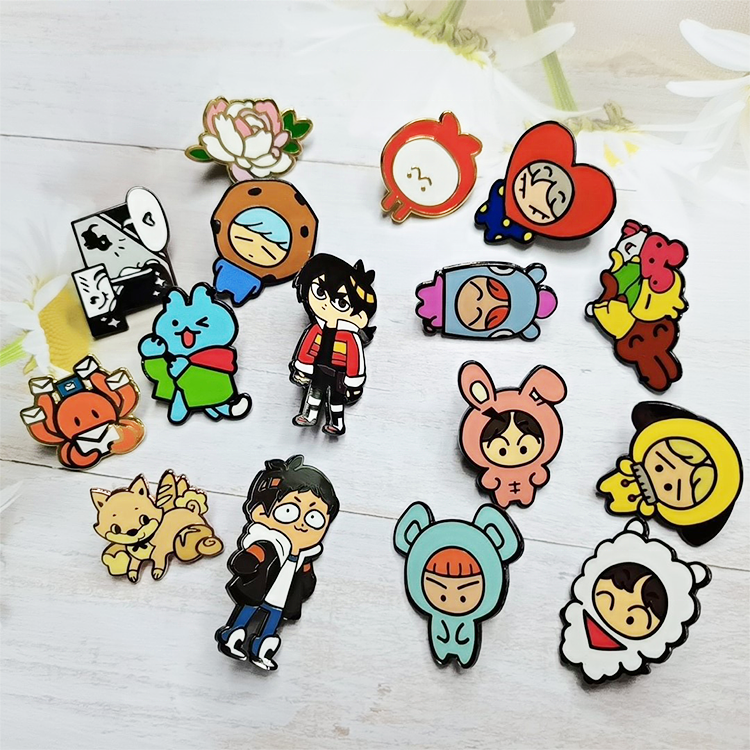
The world of lapel pin designs has undergone a remarkable transformation in recent years, driven by evolving aesthetic preferences, technological advances in manufacturing, and changing consumer expectations across corporate, promotional, and personal use markets. Today's lapel pin designs reflect a sophisticated blend of traditional craftsmanship and contemporary innovation, creating opportunities for businesses and organizations to make meaningful connections through thoughtfully designed accessories that resonate with modern audiences.
Understanding current trends in lapel pin designs enables businesses to make informed decisions about their promotional materials, employee recognition programs, and brand representation strategies. From minimalist geometric patterns to intricate multi-dimensional constructions, the latest lapel pin designs demonstrate how this traditional accessory continues to evolve while maintaining its core function as a powerful tool for identity expression, brand visibility, and professional networking within various industry contexts.
Contemporary Aesthetic Movements in Lapel Pin Designs
Minimalist and Geometric Approaches
The minimalist movement has significantly influenced modern lapel pin designs, with many organizations opting for clean lines, simple shapes, and reduced color palettes that align with contemporary design principles. These simplified lapel pin designs often feature geometric patterns, abstract representations of company logos, or single-element focal points that create immediate visual impact without overwhelming detail. The appeal of minimalist lapel pin designs lies in their versatility and timeless quality, making them suitable for various professional contexts and ensuring longevity beyond temporary design fads.
Geometric lapel pin designs have gained particular traction among technology companies, architectural firms, and modern service providers who appreciate the mathematical precision and visual clarity these patterns provide. Triangular compositions, hexagonal frameworks, and circular arrangements dominate current geometric lapel pin designs, often incorporating negative space as a design element to create sophisticated visual effects that appeal to design-conscious professionals and organizations seeking contemporary brand representation.
The color schemes in minimalist lapel pin designs typically employ monochromatic palettes, two-tone combinations, or carefully selected accent colors that enhance rather than compete with the overall design concept. This approach ensures that the lapel pin designs remain professional and versatile while still providing adequate brand recognition and visual distinction in various business environments.
Textural and Dimensional Innovation
Advanced manufacturing techniques have enabled the creation of lapel pin designs with unprecedented textural variety and dimensional complexity, moving beyond traditional flat surfaces to incorporate raised elements, recessed areas, and mixed-material compositions. These innovative lapel pin designs utilize techniques such as 3D molding, laser etching, and multi-level construction to create tactile experiences that enhance the perceived value and memorability of the accessory.
Textural elements in contemporary lapel pin designs include brushed metal finishes, sandblasted surfaces, glossy enamel contrasts, and even fabric or leather integration for unique sensory appeal. These varied textures allow lapel pin designs to convey different brand personalities and organizational values through physical characteristics that extend beyond purely visual communication, creating more engaging and memorable brand interactions.
The dimensional aspects of modern lapel pin designs often incorporate multiple layers, varying heights, and strategic use of shadows to create depth and visual interest. This three-dimensional approach enables organizations to create more sophisticated and premium-feeling promotional items that reflect their commitment to quality and attention to detail in all aspects of their brand presentation.
Color Psychology and Finish Trends
Metallic Finishes and Premium Materials
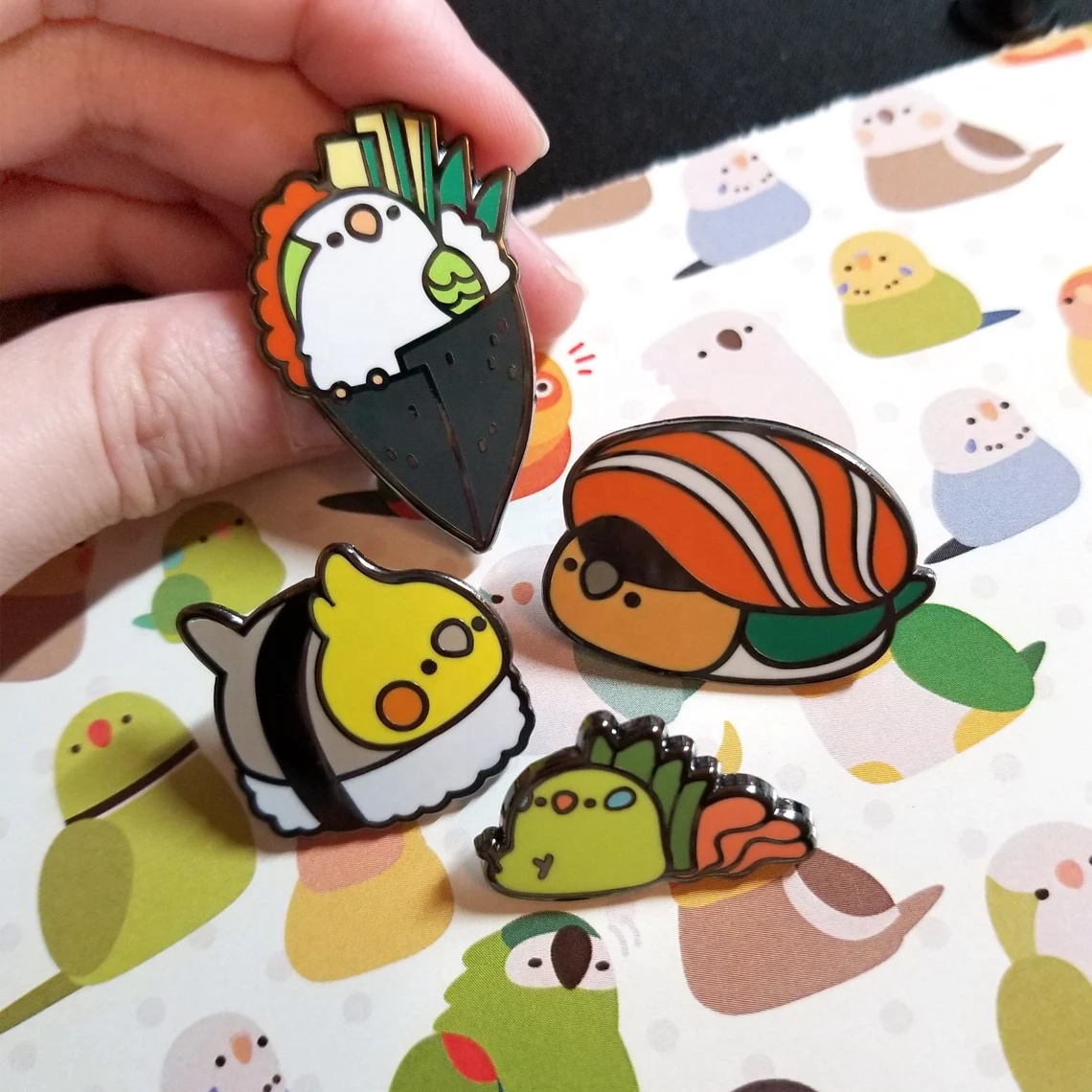
The selection of metallic finishes in lapel pin designs has expanded significantly, with organizations increasingly choosing from a broader palette of metal tones to align with their brand aesthetics and target audience preferences. Gold finishes remain popular for traditional and luxury brands, while rose gold and copper tones have gained prominence among creative industries and lifestyle brands seeking to project warmth and approachability through their lapel pin designs.
Silver and platinum finishes continue to appeal to technology companies, medical organizations, and professional service firms that value the clean, modern appearance these metals provide in lapel pin designs. Additionally, black nickel, gunmetal, and other dark metallic finishes have emerged as popular choices for organizations seeking to create dramatic contrast and contemporary sophistication in their lapel pin designs.
Premium material integration has become increasingly common in high-end lapel pin designs, with some manufacturers incorporating genuine precious metals, gemstones, or exotic materials to create truly distinctive promotional items. These elevated lapel pin designs serve organizations that require exceptional quality for executive gifts, milestone recognition, or luxury brand representation where standard materials would not adequately reflect the organization's standards and expectations.
Color Harmony and Brand Alignment
Color selection in contemporary lapel pin designs increasingly reflects sophisticated understanding of color psychology and brand communication principles, with organizations choosing hues that reinforce their brand values and desired emotional responses from recipients and observers. Corporate lapel pin designs often employ brand-consistent color schemes that ensure immediate recognition and reinforcement of organizational identity in professional settings.
Environmental and sustainability themes have influenced color choices in many lapel pin designs, with earth tones, natural greens, and ocean blues becoming more prevalent among organizations emphasizing their environmental responsibility and sustainable practices. These color selections in lapel pin designs help communicate organizational values while appealing to increasingly environmentally conscious consumers and stakeholders.
The trend toward custom color matching has enabled organizations to achieve precise brand alignment in their lapel pin designs, ensuring that promotional items accurately reflect specific brand colors rather than accepting approximate matches. This attention to color accuracy in lapel pin designs demonstrates organizational commitment to brand consistency and professional presentation across all touchpoints.
Technology Integration and Interactive Elements
Digital Enhancement Features
Modern lapel pin designs increasingly incorporate digital elements such as QR codes, NFC chips, or augmented reality triggers that bridge physical and digital brand experiences. These technology-enhanced lapel pin designs enable organizations to provide additional information, exclusive content, or interactive experiences that extend the value and engagement potential beyond traditional promotional items.
QR code integration in lapel pin designs has become particularly popular for event marketing, product launches, and educational initiatives where additional information or exclusive access provides genuine value to recipients. The challenge in these lapel pin designs lies in incorporating digital elements without compromising aesthetic appeal or professional appearance, requiring careful design balance and strategic placement.
Near Field Communication (NFC) technology embedded within lapel pin designs offers seamless digital interaction capabilities, allowing recipients to access websites, contact information, or exclusive content simply by tapping their smartphone against the pin. This technology integration represents the evolution of lapel pin designs from static promotional items to dynamic, interactive brand touchpoints that provide measurable engagement opportunities.
Smart Materials and Color-Changing Elements
Innovative materials science has enabled the development of lapel pin designs featuring thermochromic materials that change color based on temperature, photochromic elements that respond to light conditions, or other smart materials that create dynamic visual effects. These advanced lapel pin designs capture attention through their interactive nature while demonstrating organizational innovation and technological sophistication.
Temperature-sensitive lapel pin designs have found particular success in healthcare, safety, and environmental monitoring applications where color changes can indicate important conditions or serve functional purposes beyond basic brand promotion. The novelty factor of these interactive lapel pin designs also ensures memorable brand experiences that generate conversation and increased brand recall among recipients and observers.
Light-responsive elements in lapel pin designs create different appearances under various lighting conditions, from indoor office environments to outdoor events, ensuring consistent brand visibility while adding an element of visual interest that distinguishes these accessories from conventional promotional items. This adaptive quality makes these lapel pin designs particularly suitable for organizations that operate across diverse environments and lighting conditions.
Cultural Influence and Personalization Trends
Global Design Aesthetics
International business expansion has influenced lapel pin designs to incorporate global aesthetic elements that resonate across different cultural contexts while maintaining organizational identity and brand recognition. These culturally-informed lapel pin designs often blend traditional motifs with contemporary design principles to create accessories that appeal to diverse audiences without losing their core brand message or visual impact.
Asian-influenced minimalism has particularly impacted Western lapel pin designs, with many organizations adopting clean lines, balanced compositions, and thoughtful use of negative space that reflects Eastern design philosophies. This cross-cultural pollination in lapel pin designs has resulted in more refined and universally appealing promotional items that work effectively across international business contexts.
Scandinavian design principles have also influenced contemporary lapel pin designs, emphasizing functionality, sustainability, and timeless aesthetic appeal over temporary trends or flashy elements. These design influences have led to lapel pin designs that prioritize longevity, quality materials, and understated elegance that aligns with modern professional expectations and environmental consciousness.
Mass Customization and Individual Recognition
Advanced manufacturing capabilities have enabled organizations to create highly personalized lapel pin designs that recognize individual achievements, service milestones, or specific roles while maintaining overall brand consistency and professional appearance. This personalization trend in lapel pin designs reflects broader expectations for customized recognition and individual acknowledgment in modern workplace cultures.
Variable data printing and modular design approaches allow organizations to create lapel pin designs with personalized elements such as names, service years, department identification, or achievement levels without requiring completely unique manufacturing for each item. This efficiency in personalized lapel pin designs makes individual recognition programs more feasible and cost-effective for organizations of various sizes.
The trend toward personalized lapel pin designs has also extended to customer and client recognition programs, where organizations create unique accessories that acknowledge specific relationships, purchase milestones, or loyalty levels. These personalized approaches to lapel pin designs strengthen stakeholder relationships while providing tangible recognition that recipients value and retain long-term.
Sustainability and Ethical Manufacturing
Eco-Friendly Material Selection
Environmental consciousness has significantly influenced material choices in modern lapel pin designs, with organizations increasingly selecting recycled metals, sustainable enamel formulations, and eco-friendly packaging options that align with their environmental responsibility commitments. These sustainable lapel pin designs appeal to environmentally conscious recipients while demonstrating organizational values through product choices and manufacturing decisions.
Recycled metal content in lapel pin designs has become a standard consideration for many organizations, with suppliers offering various percentages of recycled material content to meet different sustainability goals and budget requirements. This focus on material sustainability in lapel pin designs extends beyond environmental benefits to include cost considerations and supply chain security advantages.
Biodegradable and compostable elements have begun appearing in some lapel pin designs, particularly for temporary events or campaigns where long-term durability is less important than environmental impact reduction. These innovative approaches to lapel pin designs reflect evolving expectations for corporate environmental responsibility and product lifecycle management.
Ethical Production and Supply Chain Transparency
Ethical manufacturing practices have become increasingly important in lapel pin designs sourcing decisions, with organizations seeking suppliers who demonstrate fair labor practices, safe working conditions, and transparent supply chain management. This ethical focus in lapel pin designs procurement reflects broader corporate social responsibility initiatives and stakeholder expectations for ethical business practices.
Certification programs and third-party audits have become more common in lapel pin designs manufacturing, providing organizations with verification of ethical production practices and enabling them to make informed decisions about supplier relationships. These certifications help ensure that lapel pin designs reflect organizational values not just in appearance but also in production methods and social impact.
Local and regional sourcing preferences have influenced lapel pin designs supply chain decisions, with many organizations choosing domestic or nearby manufacturers to reduce transportation environmental impact while supporting local economies. This localization trend in lapel pin designs production often results in shorter lead times, better quality control, and stronger supplier relationships that benefit long-term procurement strategies.
FAQ
What factors should organizations consider when selecting current lapel pin design trends?
Organizations should evaluate their brand identity, target audience preferences, intended use contexts, budget constraints, and long-term brand strategy when selecting lapel pin design trends. Consider whether trendy elements align with your organizational values and whether the designs will remain appropriate and professional over time. Additionally, assess the practical aspects such as manufacturing feasibility, cost implications, and distribution requirements to ensure the selected trends work within your operational parameters.
How do technological integrations affect the cost and practicality of modern lapel pin designs?
Technology-enhanced lapel pin designs typically involve higher initial costs due to specialized materials and manufacturing processes, but they can provide greater value through enhanced engagement and measurable interaction data. Consider the total cost of ownership, including setup fees, minimum order quantities, and ongoing digital infrastructure requirements. Evaluate whether your target audience will actually utilize the technological features and whether the additional functionality justifies the increased investment compared to traditional lapel pin designs.
What role does sustainability play in current lapel pin design decision-making?
Sustainability considerations increasingly influence lapel pin designs through material selection, manufacturing process choices, packaging decisions, and end-of-life disposal planning. Many organizations now prioritize recycled materials, eco-friendly production methods, and suppliers with strong environmental credentials when developing lapel pin designs. This focus on sustainability often aligns with broader corporate social responsibility initiatives and can enhance brand reputation while potentially reducing long-term costs through improved supplier relationships and operational efficiency.
How can organizations balance trendy design elements with timeless professional appeal in their lapel pins?
Successful lapel pin designs often incorporate subtle trendy elements within classic design frameworks, ensuring contemporary appeal without sacrificing long-term appropriateness. Focus on timeless design principles such as balanced composition, quality materials, and clear brand representation while adding current trends through color choices, finish selections, or minor decorative elements that can be easily updated in future versions. This approach ensures that lapel pin designs remain professionally acceptable and brand-appropriate even as design trends evolve over time.
Table of Contents
- Contemporary Aesthetic Movements in Lapel Pin Designs
- Color Psychology and Finish Trends
- Technology Integration and Interactive Elements
- Cultural Influence and Personalization Trends
- Sustainability and Ethical Manufacturing
-
FAQ
- What factors should organizations consider when selecting current lapel pin design trends?
- How do technological integrations affect the cost and practicality of modern lapel pin designs?
- What role does sustainability play in current lapel pin design decision-making?
- How can organizations balance trendy design elements with timeless professional appeal in their lapel pins?