
 EN
EN



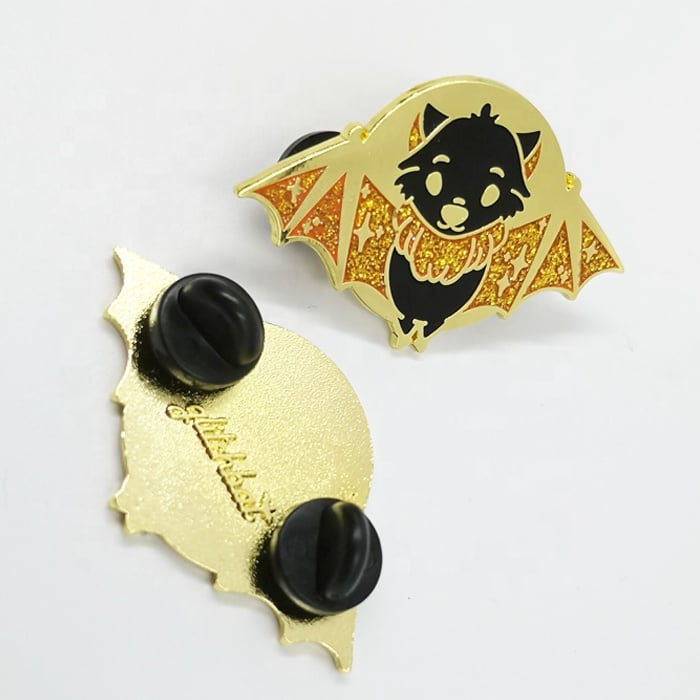
Proper care and maintenance of your lapel pin significantly extends its lifespan and preserves its professional appearance. Whether you own a treasured family heirloom, corporate recognition award, or custom promotional piece, understanding the fundamentals of lapel pin maintenance ensures your investment retains its value and visual appeal for years to come. The longevity of any lapel pin depends entirely on how you handle, clean, store, and protect it from environmental factors that cause deterioration.
Different lapel pin materials and finishes require specific maintenance approaches to prevent tarnishing, scratching, and structural damage. Hard enamel lapel pin varieties demand different care protocols than soft enamel versions, while precious metal pins need specialized attention compared to base metal alternatives. This comprehensive guide walks you through proven techniques for cleaning, storing, and protecting your lapel pin collection using methods recommended by jewelry professionals and collectors worldwide.
Understanding Lapel Pin Materials and Their Maintenance Needs
Metal Base Construction and Care Requirements
The foundation material of your lapel pin determines the primary maintenance strategy you should employ. Brass-based lapel pin designs offer excellent durability but require regular polishing to prevent oxidation and maintain their golden luster. Zinc alloy lapel pin construction provides cost-effective longevity with minimal maintenance needs, making these pieces ideal for frequent wear in professional environments.
Stainless steel lapel pin varieties resist corrosion naturally but benefit from gentle cleaning to remove fingerprints and environmental residue. Silver-plated lapel pin pieces demand the most attention, as the plating layer can wear thin over time without proper protective measures. Understanding your specific lapel pin metal composition allows you to select appropriate cleaning products and techniques.
Precious metal lapel pin designs, including gold and sterling silver versions, require specialized care to preserve their intrinsic value. These premium lapel pin materials respond well to professional jewelry cleaning solutions but can be damaged by harsh chemicals or abrasive cleaning methods commonly used on base metals.
Enamel Finish Characteristics and Protection
Hard enamel lapel pin surfaces create a smooth, glass-like finish that resists scratching but can chip under severe impact. These lapel pin varieties require careful handling during cleaning to avoid creating hairline cracks in the enamel surface. Soft enamel lapel pin designs feature a textured surface with raised metal lines, making them more susceptible to dirt accumulation in the recessed areas.
Screen-printed lapel pin options use different care protocols since the surface coating differs significantly from traditional enamel applications. Die-struck lapel pin pieces without enamel filling rely entirely on metal finishing for their appearance, requiring focused attention on preventing oxidation and maintaining surface polish.
Epoxy dome lapel pin varieties feature a clear protective coating over printed designs, demanding gentle cleaning techniques to avoid clouding or scratching the dome surface. Each finish type responds differently to cleaning agents, temperature variations, and storage conditions.
Daily Cleaning and Handling Procedures
Safe Cleaning Techniques for Different Pin Types
Establishing a routine cleaning schedule prevents the accumulation of oils, dirt, and environmental pollutants that gradually degrade your lapel pin appearance. Begin each cleaning session by examining your lapel pin under good lighting to identify specific areas requiring attention. Remove your lapel pin from clothing before cleaning to avoid transferring cleaning residue to fabric.
For most lapel pin varieties, start with a soft, lint-free cloth slightly dampened with distilled water. Gently wipe the surface in circular motions, paying special attention to recessed areas where debris typically accumulates. Avoid using tap water, which contains minerals that can leave spots or cause corrosion on sensitive lapel pin materials.
Hard enamel lapel pin pieces tolerate mild soap solutions when necessary, but rinse thoroughly and dry immediately to prevent water spots. Soft enamel lapel pin cleaning requires extra care around the raised metal borders to avoid damaging the enamel fill. Never submerge your lapel pin in water, as moisture can penetrate small gaps and cause internal corrosion.
Proper Handling During Wear and Removal
The way you attach and remove your lapel pin directly impacts its structural integrity and finish quality over time. Always grasp your lapel pin by its edges rather than the face to avoid transferring oils from your fingers to decorative surfaces. Support the backing while inserting or removing the pin post to prevent stress on the attachment mechanism.
Avoid wearing your lapel pin during activities that might expose it to excessive moisture, chemicals, or physical impact. Remove your lapel pin before applying cologne, hairspray, or other personal care products that could chemically react with metal or enamel surfaces. These substances can cause permanent discoloration or finish deterioration.
When removing your lapel pin, work slowly and deliberately to avoid bending the post or damaging the clutch mechanism. Store removed lapel pin pieces immediately in designated storage areas rather than leaving them on surfaces where they might be accidentally damaged or lost.
Long-Term Storage and Environmental Protection
Optimal Storage Conditions and Containers
Proper storage significantly extends lapel pin lifespan by protecting against humidity, temperature fluctuations, and physical damage. Individual storage compartments prevent lapel pin pieces from scratching each other while allowing air circulation to minimize moisture buildup. Jewelry boxes with soft fabric lining provide excellent protection, but ensure the fabric is clean and free from chemical treatments.
Avoid storing your lapel pin in bathrooms, basements, or other high-humidity environments that promote tarnishing and corrosion. Temperature-controlled environments with relative humidity below 50% create ideal conditions for long-term lapel pin preservation. Silica gel packets placed in storage containers help maintain optimal moisture levels.
Never store different metal types together without separation, as galvanic corrosion can occur when dissimilar metals contact each other in humid conditions. Keep your lapel pin collection away from direct sunlight, which can fade certain enamel colors over time.
Environmental Hazards and Protection Strategies
Airborne pollutants, including sulfur compounds and chlorine, gradually tarnish lapel pin surfaces even during storage. Anti-tarnish strips or cloths placed in storage containers neutralize these harmful gases before they can affect your collection. Replace anti-tarnish materials according to manufacturer recommendations to maintain protection effectiveness.
Extreme temperature changes cause metal expansion and contraction that can stress lapel pin structures and loosen enamel fills. Gradual temperature transitions when moving your lapel pin from storage to wear help minimize thermal shock. Avoid leaving lapel pin pieces in vehicles or other locations subject to rapid temperature variations.
Chemical exposure from cleaning products, perfumes, and industrial pollutants poses ongoing risks to lapel pin integrity. Create a buffer zone around storage areas to minimize exposure to household chemicals and airborne contaminants that could cause gradual deterioration.
Restoration and Professional Maintenance
Identifying When Professional Help Is Needed
Certain lapel pin damage requires professional restoration to avoid further deterioration or complete loss. Deep scratches in precious metal surfaces, significant enamel chips, or loose attachment mechanisms typically exceed the scope of home maintenance. Professional jewelers possess specialized tools and materials needed for complex lapel pin repairs.
Tarnishing that resists gentle home cleaning methods may require professional-grade solutions and techniques. Heavy oxidation, especially on vintage lapel pin pieces, often needs professional assessment to determine the safest removal approach. Attempting aggressive cleaning on valuable or sentimental lapel pin items risks permanent damage.
Structural issues, including bent posts, damaged clutches, or separating components, require professional repair to restore proper function. DIY repairs on mechanical components often create additional problems that increase overall restoration costs.
Preventive Maintenance Schedules
Establishing regular maintenance intervals prevents minor issues from developing into major problems requiring expensive restoration. Weekly inspection and gentle cleaning suffice for frequently worn lapel pin pieces, while stored items benefit from monthly examination and quarterly deep cleaning sessions.
Annual professional evaluation helps identify developing problems before they cause permanent damage. Professional cleaning and inspection services typically cost less than major restoration work, making preventive maintenance economically sensible for valuable lapel pin collections.
Document maintenance activities and observations to track your lapel pin condition over time. This record helps identify patterns and environmental factors that may require adjustment in care procedures. Photography before and after cleaning sessions provides visual documentation of condition changes.
FAQ
How often should I clean my lapel pin?
Clean your lapel pin after every few wears or whenever you notice visible dirt, oils, or tarnishing. Daily-wear lapel pin pieces benefit from weekly gentle cleaning, while occasional-wear items need cleaning only when visibly dirty. Always clean your lapel pin before long-term storage to prevent accumulated contaminants from causing permanent damage during storage periods.
Can I use household cleaning products on my lapel pin?
Avoid household cleaners, which often contain harsh chemicals that can damage lapel pin finishes and metals. Use only jewelry-specific cleaning solutions or mild soap and distilled water for most lapel pin materials. When in doubt, consult a professional jeweler about appropriate cleaning products for your specific lapel pin composition and finish.
What should I do if my lapel pin gets wet?
Immediately dry your lapel pin thoroughly with a soft, absorbent cloth if it gets wet. Pay special attention to crevices and attachment points where water might linger. Allow the lapel pin to air dry completely in a well-ventilated area before storing to prevent moisture-related corrosion or tarnishing.
How can I prevent my lapel pin from tarnishing?
Store your lapel pin in a dry, temperature-controlled environment with anti-tarnish materials to minimize exposure to sulfur compounds and humidity. Regular gentle cleaning removes oils and contaminants before they can cause tarnishing. Avoid exposure to perfumes, lotions, and household chemicals that accelerate the tarnishing process on susceptible lapel pin materials.