
 EN
EN



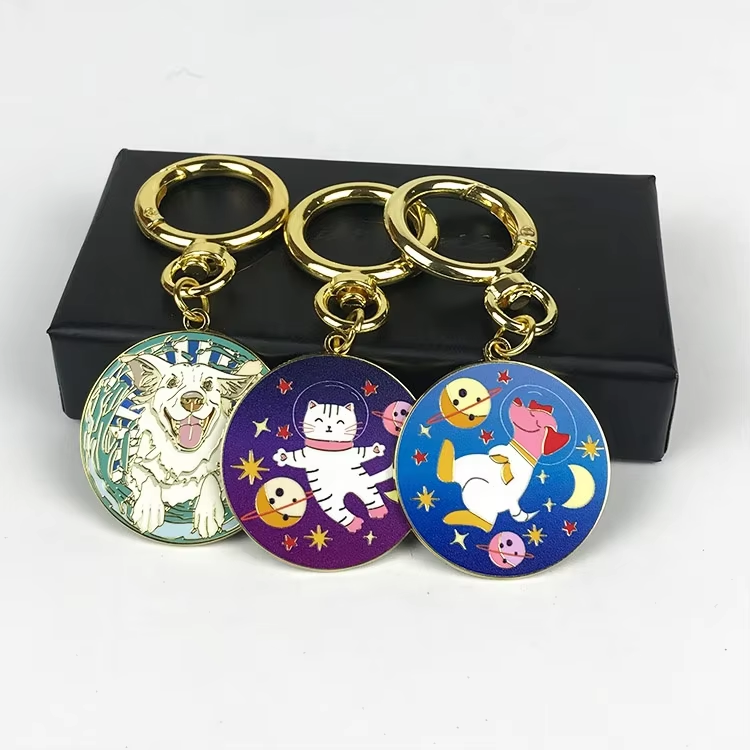
Selecting the appropriate keychain material is a critical decision that influences durability, aesthetic appeal, brand perception, and long-term performance across diverse usage environments. Whether you are sourcing promotional keychains for corporate branding campaigns, designing premium retail merchandise, or manufacturing functional accessories for everyday use, understanding the material properties of metal, plastic, leather, fabric, and composite options empowers you to make informed purchasing and design decisions. The right keychain material not only withstands daily wear and tear but also conveys the intended message about quality, professionalism, and attention to detail that aligns with your brand identity and target audience expectations.
The process of choosing the best keychain material requires balancing functional requirements such as weight capacity, resistance to environmental factors, and tactile feel with strategic considerations including budget constraints, manufacturing complexity, customization capabilities, and alignment with brand positioning. High-quality metal keychains offer exceptional longevity and premium appeal, while plastic alternatives provide cost efficiency and design flexibility. Leather and fabric materials introduce warmth and texture, appealing to lifestyle and fashion-oriented markets. This comprehensive guide explores the decision-making framework for selecting keychain materials based on application scenarios, performance criteria, aesthetic goals, and business objectives, ensuring that your final choice delivers optimal value and user satisfaction throughout the product lifecycle.
Understanding Core Keychain Material Categories and Their Performance Characteristics
Metal Keychain Materials: Strength, Durability, and Premium Appeal
Metal remains the most popular and versatile keychain material choice for applications demanding superior durability, refined aesthetics, and long-term reliability. Common metal options include zinc alloy, stainless steel, brass, aluminum, and iron, each offering distinct advantages in terms of weight, corrosion resistance, finish quality, and manufacturing compatibility. Zinc alloy delivers an excellent balance between cost efficiency and structural integrity, making it the preferred choice for promotional keychains and corporate giveaways. The material accepts a wide range of surface treatments including plating, enamel, and laser engraving, enabling intricate branding and detailed design execution that maintains clarity over extended periods.
Stainless steel keychains provide superior corrosion resistance and mechanical strength, making them ideal for outdoor applications, marine environments, and industrial settings where exposure to moisture, salt, and temperature fluctuations is common. The material's inherent luster and weight convey a sense of quality and permanence that resonates with premium brand positioning. Brass offers warm golden tones and exceptional machinability, supporting complex shapes and fine detailing that appeal to luxury and heritage brands. Aluminum serves as a lightweight alternative suitable for large-format keychains and applications where reduced weight enhances user comfort without compromising structural performance. Understanding the specific properties of each metal keychain material allows procurement teams to align material selection with usage contexts, environmental conditions, and brand expectations.
Plastic Keychain Materials: Versatility, Color, and Cost Efficiency
Plastic keychain materials encompass a diverse range of polymers including acrylic, PVC, ABS, and polycarbonate, each engineered to deliver specific performance attributes suited to different application scenarios. Acrylic keychains offer exceptional clarity and optical quality, making them ideal for photographic inserts, transparent designs, and applications requiring visual depth and dimension. The material is lightweight, shatter-resistant, and accepts vibrant full-color printing, enabling creative expression and brand storytelling through graphics and imagery. PVC provides flexibility and durability combined with economical production costs, supporting high-volume promotional campaigns where budget constraints are paramount.
ABS plastic delivers robust impact resistance and excellent surface finish quality, making it suitable for functional keychains that incorporate mechanical components such as bottle openers, LED lights, or measurement tools. The material's moldability supports complex geometries and integrated features that extend functionality beyond simple key retention. Polycarbonate offers superior strength-to-weight ratios and temperature resistance, serving specialized applications in automotive, industrial, and technical sectors. Plastic keychain material choices enable rapid prototyping, short production cycles, and extensive customization options including 2D and 3D molding, multi-color injection, and surface texture variations that enhance tactile engagement and visual interest while maintaining competitive pricing structures.
Natural and Textile Keychain Materials: Texture, Warmth, and Lifestyle Appeal
Leather, fabric, and wood represent natural and textile keychain material options that introduce organic warmth, tactile richness, and lifestyle-oriented aesthetics into keychain design. Genuine leather keychains convey sophistication, craftsmanship, and timeless appeal, making them popular choices for premium retail products, luxury brand merchandise, and corporate gifts targeting executive audiences. The material develops a unique patina over time, creating a personalized aging process that enhances emotional connection and perceived value. Leather keychain material options range from full-grain leather offering maximum durability and character to split leather and synthetic alternatives providing cost-effective approximations of natural leather aesthetics.
Fabric keychains constructed from woven nylon, polyester, or cotton webbing serve outdoor, sports, and casual lifestyle markets where lightweight construction, washability, and vibrant color options align with user preferences. These textile materials support screen printing, embroidery, and woven logo integration, enabling brand expression through texture and pattern rather than rigid surface graphics. Wood keychains appeal to eco-conscious consumers and brands emphasizing sustainability, natural materials, and environmental responsibility. The material's organic grain patterns create unique individual pieces while supporting laser engraving and natural finish treatments. Selecting natural and textile keychain materials requires consideration of maintenance requirements, environmental exposure limitations, and alignment with brand values centered on authenticity, sustainability, and human-centered design principles.
Evaluating Keychain Material Selection Based on Application Requirements
Durability and Environmental Resistance Considerations
Durability requirements constitute a primary factor in keychain material selection, particularly for applications involving frequent handling, exposure to harsh environmental conditions, and long-term usage expectations. Metal keychain material options deliver superior resistance to mechanical stress, impact, and abrasion compared to plastic and textile alternatives. Zinc alloy and stainless steel withstand repeated attachment and detachment cycles, key insertion forces, and incidental drops without structural failure or visible degradation. These materials maintain dimensional stability and finish integrity across temperature ranges, humidity levels, and UV exposure that would compromise polymer-based alternatives.
Environmental resistance evaluation must account for specific usage contexts including outdoor recreational activities, marine applications, industrial environments, and automotive settings where exposure to moisture, chemicals, salt spray, and temperature extremes accelerates material degradation. Stainless steel and aluminum keychain materials provide inherent corrosion resistance suitable for coastal and marine applications, while protective coatings and surface treatments extend the environmental performance of zinc alloy and brass options. Plastic keychain materials vary significantly in UV stability, chemical resistance, and temperature tolerance, requiring careful polymer selection aligned with anticipated exposure conditions. Natural materials such as leather require periodic maintenance and protection from prolonged moisture exposure, making them less suitable for extreme outdoor applications but ideal for protected everyday carry scenarios where material character and aging contribute positively to user experience.
Weight and Ergonomic Factors in Material Selection
Weight considerations influence both user comfort and practical functionality in keychain material selection decisions. Heavy metal keychains constructed from solid brass or thick steel components may convey premium quality but can create pocket bulk and discomfort during extended carry periods. Aluminum and hollow construction techniques reduce weight while maintaining structural integrity, making these approaches suitable for large-format keychains and multi-tool designs. Plastic keychain materials offer significant weight advantages, enabling larger physical dimensions and integrated functional features without proportional weight penalties that would compromise daily carry convenience.
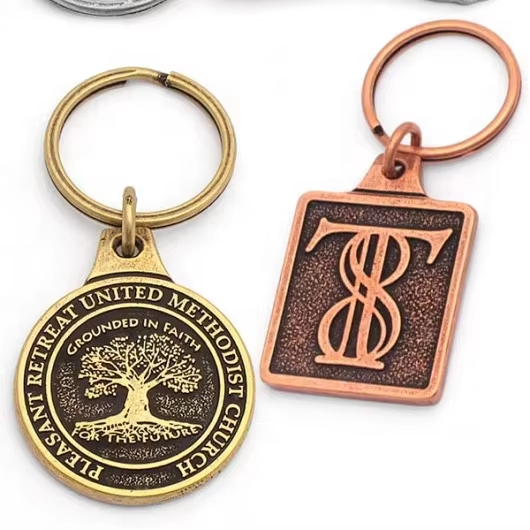
Ergonomic factors extend beyond absolute weight to include edge treatment, surface texture, and thermal properties that affect handling comfort. Sharp metal edges require chamfering and polishing to prevent skin irritation and clothing damage, while plastic materials can be molded with integrated radiused edges and grip-enhancing textures. Leather and fabric keychain materials provide natural grip and warmth, avoiding the cold metallic feel of steel and aluminum options in cold weather conditions. The tactile experience of keychain material influences subconscious quality perception and user satisfaction, making ergonomic considerations important even in promotional applications where conscious material evaluation may be minimal. Balancing weight, tactile comfort, and functional performance requires understanding user behavior patterns, carry methods, and the physical context in which keychains will be used throughout their lifecycle.
Branding and Aesthetic Expression Through Material Choice
Keychain material selection functions as a powerful branding tool that communicates quality positioning, company values, and target audience alignment through physical properties and visual characteristics. Premium metal materials such as polished stainless steel, brushed brass, and gold-plated zinc alloy convey luxury, permanence, and attention to detail appropriate for high-end retail products, executive gifts, and prestige brand merchandise. The substantial weight and metallic luster of quality metal keychains create immediate tactile and visual signals of value that plastic alternatives cannot replicate, influencing recipient perception and brand association formation.
Conversely, vibrant plastic keychain materials support playful, energetic, and youth-oriented brand personalities through unlimited color options, translucent effects, and creative form factors that break conventional keychain paradigms. Acrylic enables photographic clarity and dimensional graphics that tell visual stories and create memorable brand interactions. Natural materials including leather and wood align with sustainability narratives, artisanal craftsmanship positioning, and authentic lifestyle branding that resonates with environmentally conscious and heritage-focused audiences. The keychain material becomes an extension of brand identity, reinforcing strategic positioning through physical manifestation. Effective material selection requires mapping desired brand attributes to material properties and ensuring consistent alignment between material choice, design execution, and overall brand communication strategy across all customer touchpoints.
Manufacturing and Customization Capabilities Across Keychain Materials
Production Methods and Design Complexity
Different keychain materials support distinct manufacturing processes that influence design possibilities, production timelines, minimum order quantities, and cost structures. Metal keychain material fabrication typically involves die-casting for zinc alloy components, stamping or machining for stainless steel and brass, and extrusion for aluminum profiles. Die-casting enables complex three-dimensional forms with integrated details, recesses, and attachment points in a single manufacturing operation, though initial tooling costs create economic thresholds that favor medium to large production volumes. Stamping and cutting operations suit simpler two-dimensional designs and require less tooling investment, supporting smaller runs and faster prototyping cycles.
Plastic keychain material production relies primarily on injection molding, enabling rapid high-volume manufacturing with excellent repeatability and dimensional consistency. The process supports complex geometries, multi-component assemblies, and integrated functional features including hinges, clips, and mechanical components. Injection molding tooling costs and setup requirements make the process economically viable for orders exceeding several hundred pieces, though advances in rapid tooling and 3D printing enable smaller experimental runs. Leather and fabric keychain materials utilize cutting, stitching, and assembly processes that support both manual craftsmanship for premium products and automated production for volume applications. Understanding the manufacturing implications of keychain material choices enables realistic project planning, accurate cost estimation, and design optimization that leverages material-specific production capabilities while avoiding techniques incompatible with selected materials.
Surface Treatment and Finishing Options
Surface treatments and finishing processes dramatically expand the aesthetic and functional possibilities within each keychain material category, enabling customization, protection, and brand differentiation. Metal keychain materials accept numerous finishing options including electroplating with gold, silver, nickel, or chrome to achieve specific colors and corrosion resistance; powder coating for durable matte or glossy finishes in unlimited colors; anodizing for aluminum to create wear-resistant colored surfaces; and oxidation treatments for brass and copper to create antique or patinated effects. These surface treatments not only enhance visual appeal but also improve corrosion resistance, wear characteristics, and tactile properties.
Decoration techniques for metal keychain material include laser engraving for permanent high-contrast marking; screen printing for full-color graphics; enamel filling for dimensional color areas with jewelry-quality finish; embossing and debossing for tactile three-dimensional effects; and pad printing for detailed multicolor imagery. Plastic keychain materials support pad printing, screen printing, hot stamping, and in-mold decoration for permanent graphics integration. Transparent and translucent plastics enable backlighting effects and layered visual depth unavailable in opaque materials. Leather keychain materials accept embossing, debossing, laser engraving, and edge painting for customization, while fabric options support screen printing, embroidery, and woven logo integration. Selecting keychain material with consideration for desired finishing and decoration techniques ensures design vision feasibility and optimal visual execution that meets brand standards and customer expectations.
Cost Structure and Volume Economics
Cost considerations encompass both per-unit material and production expenses alongside tooling investment, setup charges, and volume-dependent economies of scale that vary significantly across keychain material categories. Metal keychain materials generally command higher per-unit costs than plastic alternatives due to raw material prices, processing complexity, and finishing requirements. However, the perceived value and durability of metal keychains often justify premium pricing in retail and corporate gift applications where quality positioning outweighs cost sensitivity. Zinc alloy represents the most economical metal option, while stainless steel and brass carry price premiums reflecting material cost and machining difficulty.
Plastic keychain material options deliver lowest per-unit costs especially at high volumes where tooling amortization becomes minimal. The material's light weight also reduces shipping expenses for large orders, creating additional cost advantages. However, plastic's lower perceived value may limit pricing power in premium market segments. Leather and fabric keychain materials fall in the middle range, with costs influenced by material grade, construction complexity, and assembly labor content. Volume economics favor metal and plastic materials for large promotional campaigns exceeding 1000 pieces, while natural materials remain competitive for smaller specialty runs where craftsmanship and uniqueness justify higher per-unit pricing. Comprehensive cost analysis must consider total delivered cost including tooling, production, finishing, packaging, and logistics rather than focusing solely on material unit prices, ensuring accurate budget planning and vendor selection that aligns with both quality requirements and financial constraints.
Strategic Decision Framework for Optimal Keychain Material Selection
Matching Material Properties to Usage Scenarios
Effective keychain material selection requires systematic evaluation of usage scenarios and matching material properties to specific performance requirements. Corporate promotional keychains distributed at trade shows and events prioritize cost efficiency, adequate quality perception, and branding visibility, making zinc alloy or quality plastic materials ideal choices that balance budget constraints with professional appearance. Executive gift keychains demand premium materials such as stainless steel, brass, or genuine leather that convey status and lasting value appropriate for recipient expectations and relationship importance. Retail merchandise keychains must align with product category positioning, target customer preferences, and competitive pricing dynamics within their market segment.
Functional utility keychains incorporating bottle openers, LED lights, measurement tools, or multi-tools require robust keychain material selection that supports integrated components and withstands tool usage forces. Metal construction becomes essential for mechanical functionality, though plastic housings may contain electronic components. Outdoor and recreational keychains need weather-resistant materials with minimal maintenance requirements, favoring stainless steel, aluminum, and treated zinc alloy over leather and fabric options. Fashion and lifestyle keychains emphasize aesthetic appeal, tactile experience, and trend alignment, creating opportunities for creative material combinations including leather with metal accents, fabric with enamel charms, or wood with stainless steel findings. Mapping material characteristics to specific usage contexts ensures functional adequacy, user satisfaction, and optimal value delivery throughout the product lifecycle.
Brand Alignment and Target Audience Considerations
Keychain material selection must reinforce brand identity and resonate with target audience values, preferences, and quality expectations. Technology brands often favor modern materials including brushed aluminum, polished steel, and technical plastics that communicate innovation, precision, and contemporary design sensibility. Heritage and traditional brands benefit from classic materials such as brass, leather, and wood that evoke craftsmanship, longevity, and timeless values. Eco-conscious brands should prioritize sustainable keychain material options including recycled metals, bio-based plastics, natural leather from responsible sources, and organic fabrics that authentically support environmental positioning.
Target audience demographics influence material preferences and quality thresholds that inform selection decisions. Younger consumer segments may prefer colorful plastic and fabric materials that support self-expression and trend participation, while professional and executive audiences expect substantial metal construction that reflects their status and sophistication. Industrial and technical buyers prioritize functional performance over aesthetic considerations, requiring durable keychain material that withstands harsh usage without failure. Understanding audience psychology, usage patterns, and value perception enables strategic material selection that maximizes brand resonance, recipient satisfaction, and long-term brand impression. Material choice becomes a communication tool that either reinforces or undermines brand positioning, making alignment between material properties and brand strategy essential for marketing effectiveness and customer relationship development.
Sustainability and Lifecycle Considerations
Growing environmental awareness and corporate sustainability commitments increasingly influence keychain material selection toward options that minimize environmental impact throughout the product lifecycle. Metal keychain materials offer excellent recyclability, with zinc alloy, aluminum, brass, and stainless steel all maintaining value in recycling streams and supporting circular economy principles. The durability and longevity of quality metal keychains reduce replacement frequency and total resource consumption over time compared to disposable alternatives. Plastic keychain material selection should favor recyclable polymers including PET, HDPE, and PP over mixed plastics and thermosets that complicate end-of-life recovery.
Natural keychain materials including leather, fabric, and wood offer biodegradability advantages though environmental impact depends heavily on sourcing practices, processing methods, and chemical treatments. Vegetable-tanned leather, organic cotton, and sustainably harvested wood represent lower-impact options within natural material categories. Lifecycle assessment should consider raw material extraction, manufacturing energy consumption, transportation impacts, use-phase durability, and end-of-life disposal or recovery potential. Brands committed to sustainability leadership can differentiate through transparent material disclosure, responsible sourcing verification, and take-back programs that extend producer responsibility beyond initial sale. Keychain material decisions aligned with genuine sustainability principles support corporate environmental commitments while meeting growing consumer expectations for responsible product development and circular economy participation.
FAQ
What is the most durable keychain material for everyday use?
Stainless steel and zinc alloy represent the most durable keychain material options for everyday use, offering superior resistance to wear, impact, corrosion, and environmental exposure. Stainless steel provides the highest mechanical strength and corrosion resistance, making it ideal for long-term daily carry across diverse conditions including high humidity, temperature variations, and physical stress. Zinc alloy delivers excellent durability at a more accessible price point, supporting intricate designs and surface treatments while maintaining structural integrity through years of regular use. Both materials significantly outperform plastic and fabric alternatives in longevity, though they carry greater weight and higher initial cost.
How does keychain material affect customization and branding options?
Keychain material fundamentally determines available customization techniques and branding quality. Metal materials support laser engraving for permanent high-contrast marking, enamel filling for dimensional color effects, and electroplating for metallic finish variations that create premium brand presentation. Plastic materials enable full-color printing, translucent effects, and complex molded shapes that support creative visual storytelling. Leather accepts embossing and debossing for elegant textured branding, while fabric supports embroidery and woven logos with tactile dimension. The selected keychain material must align with desired branding techniques, ensuring technical compatibility between material properties and decoration methods to achieve optimal visual execution and brand impression.
What keychain material offers the best value for promotional giveaways?
Zinc alloy provides optimal value for promotional keychain applications, balancing professional quality appearance, adequate durability, extensive customization options, and competitive pricing suitable for medium to large distribution volumes. The material accepts various plating, printing, and engraving techniques, enabling effective brand communication while maintaining structural integrity throughout typical promotional product lifecycles. For budget-conscious campaigns with very high volumes, quality plastic keychain materials including ABS and acrylic offer lower per-unit costs while supporting full-color graphics and creative designs. The best value emerges from aligning material selection with campaign objectives, target audience expectations, and brand positioning rather than simply minimizing unit cost, ensuring recipients perceive genuine value rather than disposable promotional items.
Can different keychain materials be combined in a single design?
Yes, combining multiple keychain materials in a single design creates aesthetic interest, functional benefits, and differentiation opportunities that single-material approaches cannot achieve. Common combinations include metal key rings with leather fobs, plastic housings containing metal functional components, fabric straps attached to metal plates, and wood panels with stainless steel hardware. Material combinations enable designers to leverage the strengths of each component while mitigating individual limitations, such as using lightweight plastic for body construction while incorporating metal reinforcement at stress points. However, multi-material designs increase manufacturing complexity, assembly requirements, and quality control considerations. Successful combinations require careful attention to attachment methods, material compatibility, differential thermal expansion, and aesthetic harmony to create cohesive products that deliver both visual appeal and functional performance throughout their intended lifecycle.
Table of Contents
- Understanding Core Keychain Material Categories and Their Performance Characteristics
- Evaluating Keychain Material Selection Based on Application Requirements
- Manufacturing and Customization Capabilities Across Keychain Materials
- Strategic Decision Framework for Optimal Keychain Material Selection
- FAQ