
 EN
EN



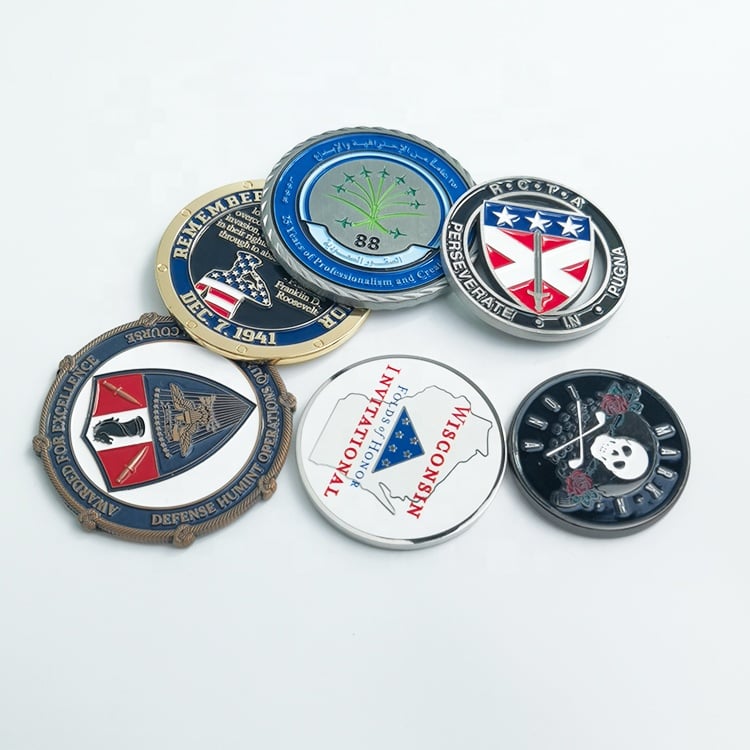
The art of creating commemorative coins represents a fascinating blend of historical significance, artistic craftsmanship, and modern manufacturing techniques. These special minted pieces serve as tangible memories of important events, achievements, or milestones, capturing moments in time through carefully designed metalwork. Understanding the intricate process behind commemorative coins reveals the dedication and expertise required to transform concepts into collectible treasures that endure for generations.
The Design Philosophy Behind Commemorative Coins
Conceptual Development and Theme Selection
The journey of creating commemorative coins begins with careful consideration of the theme and purpose. Design teams collaborate with historians, artists, and stakeholders to establish the core message that the coin should convey. This initial phase involves extensive research into historical accuracy, cultural significance, and visual elements that will resonate with collectors and the general public. The conceptual framework guides every subsequent decision in the design process.
Artists and designers must balance artistic expression with practical manufacturing constraints when developing commemorative coins. The chosen theme influences color schemes, imagery selection, and text placement, ensuring that each element contributes meaningfully to the overall narrative. Successful designs often incorporate symbolic elements that enhance the coin's storytelling capacity while maintaining visual appeal and clarity.
Artistic Elements and Visual Composition
The visual composition of commemorative coins requires meticulous attention to detail and artistic expertise. Designers must consider how images, text, and decorative elements will interact within the limited space available on the coin's surface. This process involves creating multiple sketches and digital renderings to explore different arrangements and ensure optimal visual impact.
Typography plays a crucial role in commemorative coins, as text must remain legible while complementing the overall design aesthetic. Font selection, size, and placement are carefully calibrated to ensure readability across different viewing distances and lighting conditions. The integration of textual elements with imagery requires sophisticated design skills to maintain harmony and visual flow throughout the composition.
Technical Specifications and Material Selection
Metal Composition and Quality Standards
The selection of appropriate materials for commemorative coins involves careful consideration of durability, appearance, and cost factors. Traditional metals such as bronze, silver, and gold remain popular choices due to their proven longevity and aesthetic appeal. Modern manufacturing also incorporates alternative alloys and metal combinations that offer enhanced durability while maintaining the desired visual characteristics.
Quality standards for commemorative coins must meet strict specifications regarding metal purity, weight consistency, and dimensional accuracy. These standards ensure that each coin maintains uniformity while preserving the intended design characteristics. Manufacturers implement comprehensive quality control processes to verify that materials meet established criteria before proceeding with production phases.
Size Dimensions and Weight Considerations
Determining the optimal size and weight for commemorative coins requires balancing practical considerations with aesthetic requirements. Larger coins provide more space for detailed artwork and text but may become unwieldy for handling and storage. Conversely, smaller dimensions limit design complexity while improving portability and cost-effectiveness for mass production.
Weight specifications for commemorative coins must align with material choices and dimensional requirements. Heavier coins often convey a sense of premium quality and substance, while lighter alternatives may be more practical for everyday handling. Manufacturers must strike an appropriate balance that meets client expectations while remaining feasible for production and distribution.
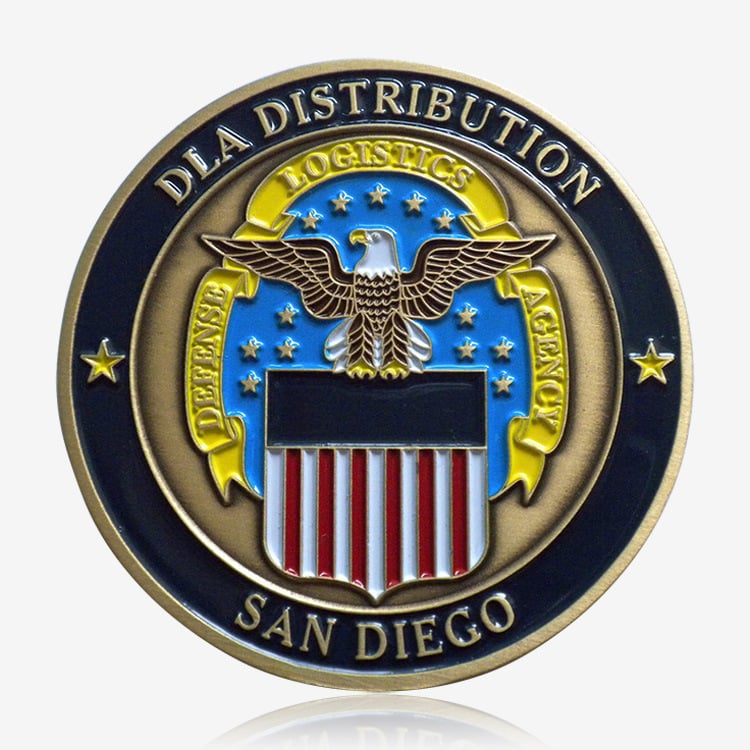
Manufacturing Processes and Production Techniques
Die Creation and Engraving Methods
The creation of dies represents one of the most critical steps in producing high-quality commemorative coins. Master engravers use specialized tools and techniques to transfer approved designs onto steel dies with exceptional precision and detail. This process requires extensive skill and experience, as any imperfections in the die will be replicated across the entire production run.
Modern die creation incorporates computer-aided design software and precision machinery to achieve consistent results. However, hand engraving remains important for certain artistic elements that require human expertise and creativity. The combination of traditional craftsmanship with contemporary technology ensures that commemorative coins maintain both artistic integrity and manufacturing efficiency.
Striking and Finishing Procedures
The striking process transforms metal blanks into finished commemorative coins through the application of tremendous pressure using specialized presses. Multiple strikes may be necessary to achieve the desired level of detail and definition, particularly for complex designs with intricate features. Press operators must carefully monitor pressure levels, alignment, and timing to ensure consistent results throughout the production run.
Finishing procedures for commemorative coins include various surface treatments and protective coatings that enhance appearance and longevity. These may include polishing, antiquing, colorization, or the application of protective lacquers. Each finishing technique requires specific expertise and equipment to achieve professional results that meet quality standards and client specifications.
Quality Control and Testing Protocols
Inspection Procedures and Standards
Comprehensive quality control measures ensure that commemorative coins meet established standards for appearance, dimensions, and durability. Inspection procedures include visual examination of design elements, measurement verification using precision instruments, and testing of material properties. These protocols help identify any defects or inconsistencies before products reach customers.
Statistical sampling methods allow manufacturers to evaluate production quality while maintaining efficiency and cost-effectiveness. Trained inspectors examine representative samples from each production batch to verify compliance with specifications. Any issues identified during inspection trigger corrective actions to prevent defective commemorative coins from entering the distribution chain.
Durability Testing and Certification
Durability testing protocols evaluate how commemorative coins will perform under various environmental conditions and handling scenarios. These tests may include exposure to temperature variations, humidity cycles, and mechanical stress to simulate long-term use and storage. Results help manufacturers optimize material selection and finishing techniques for enhanced longevity.
Certification processes for commemorative coins may involve third-party evaluation and documentation of quality standards. These certifications provide additional assurance to customers regarding product authenticity and quality. Proper documentation also supports warranty claims and helps maintain manufacturer reputation in competitive markets.
Packaging and Presentation Solutions
Protective Storage Options
Appropriate packaging solutions play a vital role in preserving the condition and appearance of commemorative coins over time. Protective storage options include individual coin capsules, presentation boxes, and specialized holders that prevent damage from handling, moisture, and environmental contaminants. These packaging choices must balance protection requirements with aesthetic presentation needs.
Custom packaging design for commemorative coins often incorporates branding elements and thematic graphics that complement the coin's design. High-quality materials such as velvet-lined boxes or leather portfolios enhance the perceived value and collectibility of the finished product. Packaging decisions significantly influence customer satisfaction and repeat purchase behavior.
Display and Presentation Features
Display considerations for commemorative coins focus on showcasing design elements while providing adequate protection. Presentation features may include transparent viewing windows, adjustable stands, or integrated lighting systems that highlight specific details. These elements enhance the visual impact of commemorative coins when displayed in homes, offices, or exhibition settings.
Certificate of authenticity documentation often accompanies commemorative coins to verify their legitimacy and provide background information about the design and production process. These certificates enhance collectible value while educating recipients about the significance and craftsmanship involved in creating their commemorative coins.
Market Applications and Customer Segments
Corporate Recognition Programs
Corporate organizations frequently utilize commemorative coins as recognition tools for employee achievements, milestone celebrations, and partnership acknowledgments. These applications require careful consideration of corporate branding guidelines and messaging consistency. Custom designs can incorporate company logos, mission statements, and specific achievement criteria to create meaningful recognition items.
The effectiveness of commemorative coins in corporate settings stems from their tangible nature and lasting value as keepsakes. Unlike traditional recognition certificates or plaques, coins provide a portable and durable reminder of accomplishments that recipients can easily display or carry. This practical aspect enhances the emotional connection between recipients and their achievements.
Educational and Memorial Applications
Educational institutions and memorial organizations represent significant markets for commemorative coins due to their emphasis on historical preservation and learning. Schools, universities, museums, and heritage organizations use these products to commemorate important events, honor distinguished individuals, and support fundraising activities. Educational applications often require extensive research and historical accuracy to ensure appropriate representation.
Memorial commemorative coins serve as lasting tributes to individuals, events, or causes that hold special significance for communities or organizations. These applications demand sensitive design approaches that respect the dignity and importance of the subject matter while creating meaningful keepsakes for families and supporters.
Future Trends and Innovations
Technology Integration and Digital Features
Emerging technologies are beginning to influence the design and production of commemorative coins through the integration of digital features and interactive elements. Some manufacturers now incorporate QR codes, NFC chips, or augmented reality capabilities that provide additional information or multimedia experiences when accessed with smartphones or other devices.
These technological innovations expand the storytelling potential of commemorative coins while maintaining their traditional appeal as physical collectibles. Digital integration allows for dynamic content updates, multilingual information access, and enhanced engagement opportunities that traditional coins cannot provide. However, implementation must be carefully managed to preserve the classic aesthetic and tactile qualities that make commemorative coins appealing.
Sustainable Manufacturing Practices
Environmental sustainability considerations are increasingly influencing the production methods and material choices for commemorative coins. Manufacturers are exploring recycled metals, eco-friendly finishing processes, and renewable energy sources to reduce environmental impact while maintaining quality standards. These initiatives respond to growing consumer awareness and corporate responsibility expectations.
Sustainable practices in commemorative coins production may include improved waste management, energy-efficient manufacturing equipment, and responsible sourcing of raw materials. These efforts contribute to long-term industry viability while demonstrating commitment to environmental stewardship that resonates with environmentally conscious customers and organizations.
FAQ
What factors determine the cost of producing commemorative coins
The cost of producing commemorative coins depends on several key factors including material selection, design complexity, production quantity, and finishing requirements. Precious metals like silver or gold significantly increase costs compared to bronze or brass alternatives. Complex designs requiring detailed engraving or multiple colors also raise production expenses. Larger production runs typically reduce per-unit costs due to economies of scale, while smaller quantities may have higher individual costs but lower total investment requirements.
How long does the complete design and production process typically take
The complete process for creating commemorative coins from initial concept to finished product typically requires 6-12 weeks depending on design complexity and production requirements. Initial design development and approval phases may take 2-4 weeks, while die creation requires an additional 2-3 weeks. The actual production and finishing processes generally need 2-4 weeks, with quality control and packaging adding another week to the timeline. Rush orders may be accommodated with expedited scheduling but often incur additional costs.
What minimum order quantities are required for custom commemorative coins
Minimum order quantities for custom commemorative coins vary among manufacturers but typically range from 100 to 500 pieces for standard designs. Complex designs or precious metal compositions may require higher minimum orders to justify tooling and setup costs. Some manufacturers offer prototype or sample services with very small quantities to allow design evaluation before committing to larger production runs. Discussing specific requirements with manufacturers helps determine the most cost-effective approach for individual projects.
How should commemorative coins be properly stored and maintained
Proper storage and maintenance of commemorative coins requires protecting them from moisture, air exposure, and physical damage. Individual coin capsules or protective holders prevent scratches and handling damage while allowing viewing. Storage in climate-controlled environments with stable temperature and humidity levels helps prevent tarnishing and corrosion. Avoid cleaning commemorative coins with abrasive materials or harsh chemicals, as this can damage surfaces and reduce collectible value. Professional conservation services are recommended for valuable or antique pieces requiring restoration.