
 EN
EN



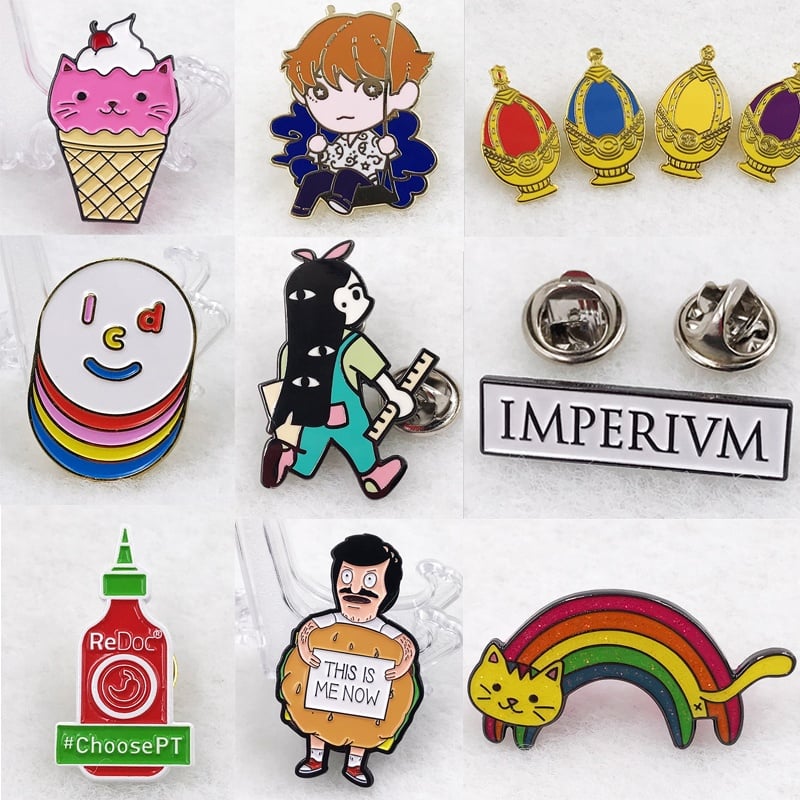
Enamel pins have emerged as one of the most versatile and popular promotional products in today's market, offering businesses and individuals a unique way to express identity, commemorate events, and build brand recognition. These small but impactful accessories combine artistic design with practical functionality, making them ideal for corporate branding, employee recognition, and customer engagement initiatives. Understanding the different types of enamel pins available can help you make informed decisions when selecting the perfect option for your specific needs and budget requirements.
Hard Enamel Pin Construction and Characteristics
Manufacturing Process and Quality Standards
Hard enamel pins represent the premium category of enamel pins, distinguished by their superior durability and professional appearance. The manufacturing process involves filling recessed areas of the metal base with liquid enamel, which is then fired in a kiln at high temperatures to create a glass-like finish. This process may be repeated multiple times to achieve the desired color depth and uniformity. The final step involves polishing the entire surface until the enamel and metal lines are completely flush, creating a smooth, jewelry-quality finish that rivals expensive accessories.
The quality standards for hard enamel pins are exceptionally high, requiring precise temperature control during the firing process and expert craftsmanship during the polishing phase. Each pin undergoes rigorous quality inspection to ensure color consistency, surface smoothness, and structural integrity. The metal base, typically made from iron, brass, or zinc alloy, must be carefully prepared with proper thickness to support the enamel application without warping or cracking during the heating process.
Durability and Longevity Features
Hard enamel pins offer exceptional durability that makes them suitable for daily wear and long-term promotional campaigns. The fired enamel surface creates a protective barrier that resists scratching, fading, and chipping under normal use conditions. This durability extends the lifespan of promotional enamel pins significantly, providing better return on investment for businesses that want their branding message to remain visible and attractive over extended periods.
The longevity features of hard enamel pins include resistance to environmental factors such as moisture, temperature fluctuations, and UV exposure. The glass-like enamel surface maintains its color vibrancy and glossy appearance even after years of regular use, making these pins ideal for recognition awards, membership badges, and high-value corporate gifts that recipients will treasure and display proudly.
Soft Enamel Pin Design and Applications
Textural Properties and Visual Appeal
Soft enamel pins feature a distinctive textured surface that creates visual and tactile interest, making them popular choices for casual wear and creative designs. The manufacturing process involves filling recessed areas with enamel paint that is air-dried rather than kiln-fired, resulting in a slightly raised metal outline that creates depth and dimension. This textural contrast between the smooth enamel fill and the raised metal lines gives soft enamel pins their characteristic appearance and feel.
The visual appeal of soft enamel pins lies in their ability to showcase intricate details and fine lines more effectively than hard enamel alternatives. The raised metal outlines help define small elements in complex designs, making text more readable and small graphics more distinct. This characteristic makes soft enamel pins particularly suitable for logos with fine details, vintage-style designs, and artistic creations that benefit from dimensional contrast.
Cost-Effectiveness and Market Positioning
Soft enamel pins offer excellent cost-effectiveness for businesses and organizations operating with budget constraints while still requiring professional-quality promotional products. The simplified manufacturing process, which eliminates the expensive kiln-firing and extensive polishing steps, significantly reduces production costs without compromising the overall quality and appearance. This cost advantage makes soft enamel pins ideal for large-quantity orders, employee giveaways, and marketing campaigns that require broad distribution.
The market positioning of soft enamel pins appeals to creative industries, educational institutions, and startup companies that value unique design elements and authentic craftsmanship. The slightly informal appearance of soft enamel pins resonates with younger demographics and creative professionals who appreciate handcrafted aesthetics and artisanal quality over highly polished corporate appearances.

Specialized Enamel Pin Varieties and Techniques
Antique and Vintage Finishing Options
Antique-finished enamel pins incorporate specialized plating techniques that create aged, weathered appearances perfect for historical commemorations, heritage brands, and vintage-themed collections. These finishing options include antique brass, antique copper, and antique silver platings that develop natural patina effects through controlled oxidation processes. The combination of vintage metal finishes with carefully selected enamel colors creates authentic period appearances that appeal to collectors and history enthusiasts.
Vintage finishing techniques for enamel pins often incorporate distressing methods that simulate natural wear patterns and age-related characteristics. These processes include selective buffing, chemical etching, and controlled tarnishing that create realistic vintage appearances without compromising structural integrity. Such specialized enamel pins serve museums, historical societies, and heritage tourism organizations that require authentic-looking promotional items.
Glitter and Special Effect Enhancements
Glitter enamel pins incorporate fine metallic particles or synthetic glitter materials into the enamel formula to create eye-catching sparkle effects that capture attention under various lighting conditions. These special effect enhancements make enamel pins particularly suitable for entertainment industry promotions, fashion accessories, and youth-oriented marketing campaigns. The glitter particles are carefully sized and distributed to ensure even coverage while maintaining the enamel's adhesion properties and surface durability.
Special effect techniques for enamel pins extend beyond glitter to include glow-in-the-dark phosphorescent materials, color-changing thermochromatic compounds, and holographic foil applications. These advanced enhancement options create unique visual experiences that differentiate promotional enamel pins from conventional alternatives, making them memorable conversation starters and effective brand ambassadors in competitive marketing environments.
Custom Design Considerations for Enamel Pins
Artwork Preparation and Design Guidelines
Proper artwork preparation forms the foundation of successful enamel pins production, requiring careful consideration of design elements, color selection, and technical specifications. Vector-based artwork provides the clearest reproduction results, with clean lines and solid color areas that translate effectively to the enamel pin manufacturing process. Design guidelines recommend minimum line widths, appropriate color separations, and simplified details that maintain clarity at small scales typical of enamel pins dimensions.
Color selection for custom enamel pins should account for the limitations and characteristics of enamel materials, including opacity levels, color mixing capabilities, and finishing compatibility. Pantone color matching systems provide standardized references for achieving consistent color reproduction across different production runs. Designers must also consider how colors will appear against different metal base finishes and how adjacent colors might interact during the manufacturing process.
Size Limitations and Scaling Factors
Size limitations significantly impact the feasibility and cost-effectiveness of enamel pins designs, with industry standards typically ranging from 0.75 inches to 2.5 inches in maximum dimension. Smaller enamel pins require simplified designs with fewer details and larger text elements to ensure readability and manufacturing reliability. Scaling factors must account for the physical properties of enamel materials and the precision limitations of manufacturing equipment used in pin production.
Complex designs intended for larger format applications often require substantial modifications when adapted for enamel pins production, including element consolidation, text enlargement, and detail simplification. Professional designers experienced with enamel pins production can provide valuable guidance on optimizing artwork for different size requirements while maintaining brand recognition and visual impact.
Quality Assessment and Selection Criteria
Material Standards and Manufacturing Certifications
Quality assessment of enamel pins begins with evaluating material standards and manufacturing certifications that ensure product safety, durability, and consistency. Reputable manufacturers maintain certifications for lead-free materials, non-toxic enamel formulations, and environmental compliance standards that protect end users and meet regulatory requirements in different markets. These certifications provide assurance that enamel pins meet professional quality standards appropriate for corporate branding and promotional distribution.
Manufacturing certifications for enamel pins production facilities include ISO quality management systems, workplace safety standards, and environmental responsibility protocols. These certifications indicate systematic approaches to quality control, consistent production processes, and reliable delivery performance that businesses require for successful promotional campaigns and brand representation initiatives.
Supplier Evaluation and Partnership Considerations
Effective supplier evaluation for enamel pins production involves assessing manufacturing capabilities, quality control processes, and customer service responsiveness that directly impact project outcomes. Key evaluation criteria include production capacity, lead time reliability, sample quality, and communication effectiveness throughout the design and manufacturing phases. Establishing partnerships with qualified suppliers ensures consistent access to high-quality enamel pins that meet specific requirements and delivery schedules.
Partnership considerations extend beyond immediate production needs to include long-term relationship factors such as design support services, inventory management capabilities, and scalability for future growth requirements. Suppliers who demonstrate expertise in enamel pins production, maintain updated manufacturing equipment, and provide comprehensive customer support create valuable partnerships that contribute to successful promotional campaigns and brand building initiatives.
FAQ
What factors determine the cost differences between hard and soft enamel pins?
The cost differences between hard and soft enamel pins primarily result from manufacturing complexity and processing requirements. Hard enamel pins require kiln-firing at high temperatures, multiple enamel applications, and extensive polishing to achieve their smooth finish, while soft enamel pins use air-drying processes that eliminate expensive firing and polishing steps. Additionally, hard enamel pins typically use higher-grade metal bases and require more skilled craftsmanship, contributing to increased production costs compared to soft enamel alternatives.
How long does the typical production process take for custom enamel pins?
The production timeline for custom enamel pins varies depending on design complexity, quantity requirements, and manufacturing processes selected. Standard production schedules range from 10-15 business days for soft enamel pins and 15-20 business days for hard enamel pins, including artwork approval, mold creation, and manufacturing phases. Rush orders may be accommodated with expedited processing, while complex designs or large quantities may require extended production timeframes to ensure quality standards are maintained throughout the manufacturing process.
What minimum order quantities are typically required for enamel pins production?
Minimum order quantities for enamel pins production typically start at 50-100 pieces, depending on the manufacturer and specific design requirements. These minimums help offset the fixed costs associated with mold creation, setup processes, and quality control procedures that are necessary regardless of order size. Some manufacturers offer lower minimums for simple designs or repeat orders, while complex multi-color enamel pins may require higher minimum quantities to justify the specialized production processes involved.
Can enamel pins be produced with eco-friendly materials and processes?
Modern enamel pins production increasingly incorporates eco-friendly materials and sustainable manufacturing processes to meet environmental responsibility requirements. Lead-free metal alloys, non-toxic enamel formulations, and recyclable packaging options are widely available from environmentally conscious manufacturers. Additionally, some suppliers offer recycled metal content options and implement energy-efficient production methods that reduce environmental impact while maintaining the quality and durability standards expected from professional-grade enamel pins.
Table of Contents
- Hard Enamel Pin Construction and Characteristics
- Soft Enamel Pin Design and Applications
- Specialized Enamel Pin Varieties and Techniques
- Custom Design Considerations for Enamel Pins
- Quality Assessment and Selection Criteria
-
FAQ
- What factors determine the cost differences between hard and soft enamel pins?
- How long does the typical production process take for custom enamel pins?
- What minimum order quantities are typically required for enamel pins production?
- Can enamel pins be produced with eco-friendly materials and processes?