
 EN
EN



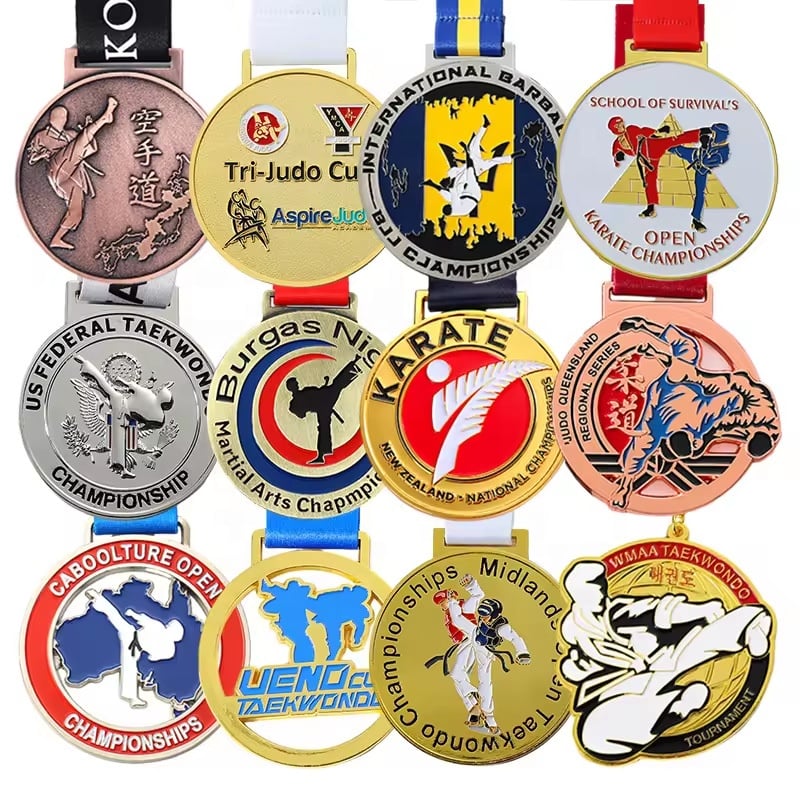
Recognition ceremonies and achievement awards have become cornerstones of modern organizational culture, with custom medals serving as tangible symbols of excellence and accomplishment. Whether honoring athletic achievements, academic excellence, or professional milestones, these prestigious awards carry deep emotional and symbolic value that extends far beyond their physical presence. The growing demand for personalized recognition solutions has transformed the medal industry, emphasizing the critical importance of quality craftsmanship and attention to detail in creating meaningful commemorative pieces.
Organizations worldwide are discovering that high-quality custom medals significantly impact recipient satisfaction and long-term brand perception. The manufacturing process behind these recognition pieces involves sophisticated techniques that combine traditional craftsmanship with modern production methods, ensuring each medal meets exacting standards for durability, appearance, and symbolic representation. Understanding the various factors that contribute to medal quality helps purchasers make informed decisions when selecting awards for their specific recognition programs.
Material Selection and Durability Standards
Premium Metal Compositions
The foundation of exceptional custom medals begins with carefully selected materials that ensure longevity and aesthetic appeal. High-grade zinc alloy, brass, and bronze compositions provide the structural integrity necessary for detailed engravings and complex three-dimensional designs. These materials resist tarnishing, corrosion, and wear over time, maintaining their lustrous appearance even with regular handling and display.
Premium metal selections also enable intricate design possibilities that lesser materials cannot achieve. The malleability of quality alloys allows for precise detail reproduction, sharp edges, and smooth surface finishes that enhance the overall visual impact. Professional manufacturers understand that material selection directly influences the final product's weight, feel, and perceived value, making this decision crucial for creating memorable recognition pieces.
Surface Treatment Technologies
Advanced surface treatment processes significantly enhance the durability and appearance of custom medals through specialized coating applications. Electroplating techniques using gold, silver, copper, or antique finishes provide both protective barriers and stunning visual effects that elevate the medal's prestige. These treatments require precise temperature control and chemical composition management to achieve consistent, high-quality results.
Modern surface treatments also incorporate protective clear coats that preserve the underlying finishes while providing additional scratch resistance. Anti-tarnish formulations ensure that medals maintain their original brilliance throughout years of display and handling, reducing maintenance requirements while preserving the award's symbolic significance for recipients.
Design Excellence and Manufacturing Precision
Three-Dimensional Design Capabilities
Contemporary custom medals showcase sophisticated three-dimensional design elements that create depth, texture, and visual interest beyond traditional flat engravings. Advanced die-casting techniques enable manufacturers to produce intricate raised reliefs, detailed character representations, and complex geometric patterns that capture attention and convey prestige. These dimensional elements require precise tooling and careful attention to detail throughout the production process.
Professional design teams utilize computer-aided design software to optimize three-dimensional elements for manufacturability while maintaining artistic integrity. The integration of multiple relief levels, textured surfaces, and contrasting finishes creates visually striking pieces that recipients proudly display and cherish. Quality manufacturers invest in sophisticated equipment and skilled craftspeople to ensure consistent reproduction of complex design elements across large production runs.
Color Integration and Enamel Work
High-quality custom medals often incorporate vibrant enamel colors that enhance visual appeal and enable brand-specific color matching. Soft enamel and hard enamel techniques each offer distinct advantages, with soft enamel providing textural contrast and hard enamel delivering smooth, durable surfaces suitable for frequent handling. Professional color matching ensures consistency with organizational branding and design specifications.
The enamel application process requires precise temperature control and skilled application techniques to achieve uniform coverage and vibrant color saturation. Quality control measures include color stability testing and adhesion verification to ensure long-term durability under various environmental conditions. These careful processes result in custom medals that maintain their visual impact throughout years of display and appreciation.
Customization Options and Personalization Features
Engraving and Text Integration
Personalization capabilities transform standard medal designs into unique recognition pieces that reflect specific achievements and organizational values. Laser engraving technology enables precise text reproduction, detailed logos, and intricate pattern work that traditional methods cannot achieve. Variable data engraving allows for individual recipient names, dates, and achievement details that create personal connections between awards and accomplishments.
Professional engraving services accommodate various font styles, sizes, and formatting options to match organizational branding requirements and aesthetic preferences. Deep engraving techniques ensure text legibility and longevity, while surface treatments can create contrasting effects that enhance readability. Quality manufacturers provide proof approval processes that allow customers to verify text accuracy and formatting before production begins.
Ribbon and Attachment Systems
Complementary ribbon systems and attachment mechanisms significantly impact the overall presentation and wearability of custom medals. High-quality ribbon materials resist fading, fraying, and stretching while maintaining their appearance through repeated use and storage. Color-matched ribbons coordinate with medal finishes and organizational branding to create cohesive presentation packages.
Professional attachment systems include reinforced connection points, adjustable lengths, and secure clasping mechanisms that ensure medals remain properly positioned during ceremonies and display. Quality manufacturers source premium ribbon materials and hardware components that complement the medal's craftsmanship while providing reliable long-term performance.
Quality Control and Manufacturing Standards
Production Process Oversight
Rigorous quality control measures throughout the manufacturing process ensure that custom medals meet exacting standards for appearance, durability, and functionality. Multi-stage inspection procedures identify potential issues early in production, allowing for corrections before final assembly and packaging. Professional manufacturers implement standardized quality checkpoints that verify dimensional accuracy, surface finish quality, and design reproduction fidelity.
Skilled quality assurance technicians utilize precision measuring instruments, color matching systems, and visual inspection protocols to maintain consistent production standards. Documentation systems track quality metrics and provide feedback for continuous improvement initiatives that enhance manufacturing efficiency and product excellence. These comprehensive approaches ensure that every custom medal meets or exceeds customer expectations for quality and performance.
Testing and Validation Procedures
Comprehensive testing protocols evaluate custom medals for durability, appearance retention, and performance under various environmental conditions. Accelerated aging tests simulate years of exposure to determine long-term stability and identify potential degradation issues. Mechanical testing verifies attachment point strength, surface hardness, and resistance to impact damage that may occur during normal handling.
Chemical resistance testing ensures that finishes and materials maintain their properties when exposed to common environmental factors such as humidity, temperature variations, and cleaning chemicals. These validation procedures provide confidence in product performance while identifying areas for potential improvement in future production runs.
Industry Applications and Market Trends
Sports and Athletic Recognition
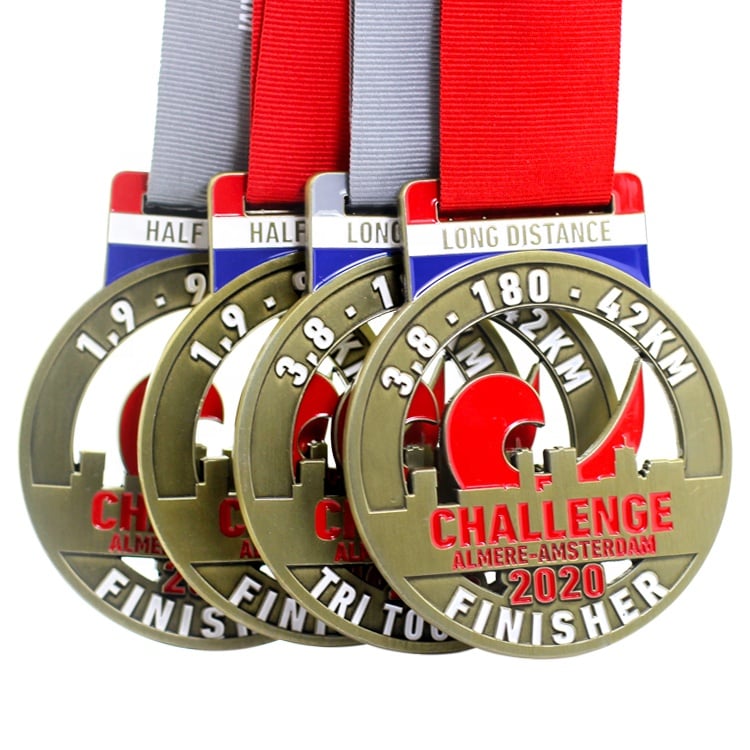
Athletic competitions and sports organizations represent significant markets for custom medals, with demand driven by the emotional significance of achievement recognition. Marathon events, youth sports leagues, and professional competitions require large quantities of high-quality awards that reflect the prestige of athletic accomplishment. Design trends emphasize dynamic sporting imagery, three-dimensional elements, and durable finishes that withstand active lifestyles.
Seasonal sports events and recurring competitions drive consistent demand for custom medals throughout the year, with organizations seeking reliable suppliers who can deliver quality products on schedule. The growing popularity of recreational sports and fitness challenges has expanded market opportunities for specialized medal designs that celebrate personal achievements and community participation.
Corporate and Academic Applications
Corporate recognition programs increasingly utilize custom medals to acknowledge employee achievements, service milestones, and performance excellence. These applications require sophisticated designs that reflect organizational values and professional standards while creating memorable recognition experiences. Academic institutions similarly employ custom medals for graduation ceremonies, academic competitions, and achievement recognition that honors student accomplishments.
The integration of custom medals into comprehensive recognition programs demonstrates organizational commitment to employee and student appreciation. Quality awards contribute to positive workplace culture and educational environments while providing tangible reminders of achievement that recipients value long after the recognition event.
Selection Criteria and Procurement Considerations
Vendor Evaluation and Qualification
Selecting qualified manufacturers for custom medals requires careful evaluation of production capabilities, quality standards, and service reliability. Established suppliers demonstrate consistent quality through portfolio reviews, customer testimonials, and production facility assessments that verify manufacturing capabilities. Professional vendors provide comprehensive consultation services that help customers navigate design options and technical requirements.
Certification standards and industry affiliations indicate manufacturer commitment to quality and professional practices. Reliable suppliers maintain transparent communication throughout the production process, providing regular updates and addressing concerns promptly to ensure customer satisfaction and project success.
Cost-Quality Balance Optimization
Achieving optimal value in custom medals requires balancing quality requirements with budget constraints while maintaining acceptable standards for appearance and durability. Volume pricing structures often provide significant cost advantages for larger orders, making bulk purchases attractive for organizations with ongoing recognition programs. Professional manufacturers offer guidance on design modifications that can reduce costs without compromising quality standards.
Long-term value considerations include durability, recipient satisfaction, and brand representation that extend beyond initial purchase costs. Quality custom medals provide lasting value through enhanced recipient appreciation and positive organizational image that justify premium pricing for superior products and services.
FAQ
What materials are best for durable custom medals
High-quality zinc alloy, brass, and bronze compositions provide the best combination of durability, detail reproduction, and cost-effectiveness for custom medals. These materials resist corrosion, maintain their appearance over time, and enable intricate design elements while supporting various finish options including gold, silver, and antique treatments that enhance visual appeal.
How long does custom medal production typically take
Standard production times for custom medals range from 10-15 business days for simple designs to 20-25 days for complex three-dimensional pieces with multiple colors and special finishes. Rush orders may be available with expedited processing, though additional charges typically apply. Proof approval processes and design modifications can extend timelines, making early planning essential for time-sensitive events.
What customization options are available for medal designs
Comprehensive customization options include three-dimensional sculpting, multiple plating finishes, soft and hard enamel colors, laser engraving for text and logos, various ribbon colors and styles, and specialty attachment systems. Professional manufacturers accommodate custom shapes, sizes, and unique design elements while providing guidance on technical feasibility and production requirements for optimal results.
How can I ensure consistent quality across large medal orders
Quality consistency requires selecting experienced manufacturers with established quality control systems, requesting pre-production samples for approval, implementing staged inspection processes throughout production, and maintaining clear communication regarding specifications and expectations. Professional suppliers provide quality documentation and inspection reports that verify compliance with agreed-upon standards for large volume orders.