
 EN
EN



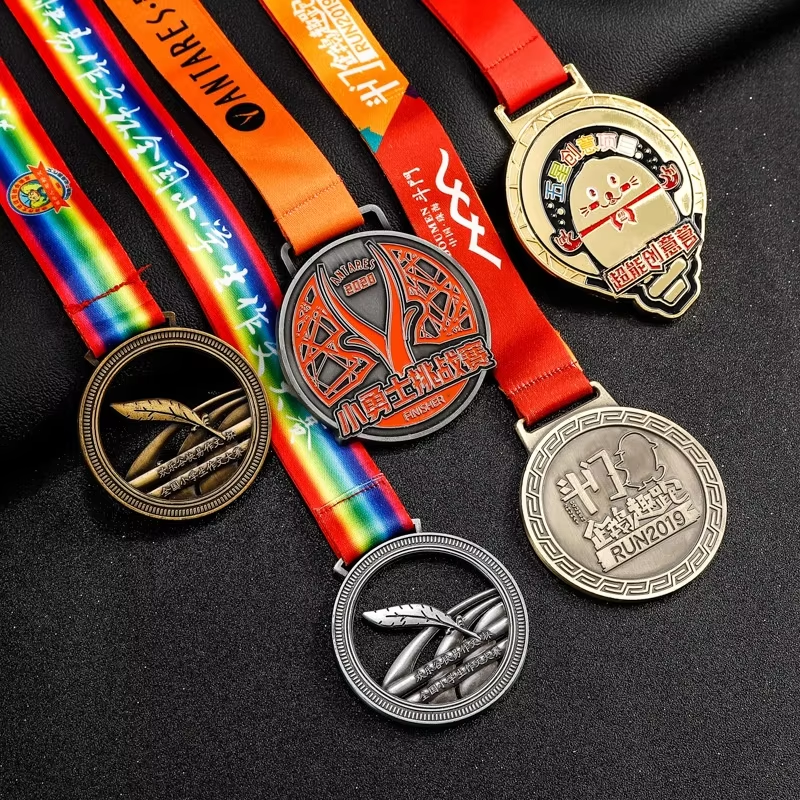
Creating a medal that captures attention and leaves a lasting impression requires careful planning, creative vision, and an understanding of what makes designs memorable. Whether you're organizing a corporate event, sports competition, or commemorative ceremony, the challenge lies in balancing aesthetic appeal with meaningful symbolism. To design a unique medal that truly stands out, you must consider every element from shape and materials to color schemes and personalization options, ensuring the final product reflects the significance of the achievement it represents.
The process of designing distinctive medals goes far beyond selecting a generic template and adding text. It involves strategic decisions about visual hierarchy, tactile qualities, and emotional resonance that transform a simple award into a treasured keepsake. Understanding the fundamental principles of medal design empowers you to create pieces that recipients will proudly display rather than store away in drawers. This comprehensive guide explores proven strategies and innovative approaches that professional designers use to craft medals that command attention and embody excellence.
Understanding the Core Principles of Distinctive Medal Design
Establishing Clear Design Objectives and Purpose
Before you begin sketching concepts or selecting materials, you must clearly define what your medal needs to communicate. Every successful effort to design a unique medal starts with understanding the event's character, the achievement being recognized, and the audience receiving the award. A marathon medal requires different design considerations than a corporate excellence award or military commendation. Document the event's values, the accomplishment's significance, and any symbolic elements that should be incorporated to create a focused design brief that guides all subsequent decisions.
The purpose statement should address both functional and emotional objectives. Functionally, the medal must be durable, comfortable to wear, and appropriate in size for its context. Emotionally, it should evoke pride, accomplishment, and connection to the event or organization. When you design a unique medal with these dual objectives in mind, you create something that serves as both a tangible reward and an emotional anchor to a meaningful experience. This foundational clarity prevents design drift and ensures every element contributes to a cohesive vision.
Analyzing Visual Differentiation in Your Industry Context
Researching existing medals within your specific industry or event category reveals patterns, trends, and opportunities for differentiation. Examine what competitors and similar events have created, noting common shapes, color palettes, and design motifs. This competitive analysis isn't about copying but about identifying oversaturated design territories to avoid and unexplored creative spaces to claim. When you consciously design a unique medal that departs from category conventions while maintaining relevance, you create instant visual distinction that makes your award memorable.
Consider how materials, finishes, and dimensional elements are typically used in your context. If most medals in your category feature flat surfaces and simple engraving, incorporating three-dimensional relief or mixed materials immediately creates differentiation. If bright metallic finishes dominate, exploring matte or antiqued treatments offers visual contrast. Strategic divergence from industry norms signals innovation and elevates perceived value, making recipients feel they've earned something truly special rather than a generic token.
Balancing Timeless Appeal with Contemporary Relevance
The most successful medal designs strike a delicate balance between timeless elegance and contemporary visual language. Trends in graphic design, color theory, and typography evolve continuously, but medals are intended to be cherished for years or even decades. When you design a unique medal, incorporate current aesthetic preferences through subtle elements like font choices or accent details rather than making trend-dependent decisions the primary focus. Classic compositional principles, quality materials, and refined execution ensure your medal remains visually appealing long after design trends shift.
Consider incorporating elements that connect to both historical medal-making traditions and modern design sensibilities. Traditional techniques like enameling or die-striking convey prestige and craftsmanship, while contemporary approaches to negative space, asymmetry, or geometric abstraction signal innovation. This temporal duality creates designs that feel both authoritative and fresh, appealing to diverse age groups and aesthetic preferences among recipients. The goal is creating something that looks equally impressive displayed in a corporate office today and in a personal collection twenty years from now.
Developing Compelling Visual Concepts and Compositions
Exploring Unconventional Shapes and Dimensional Forms
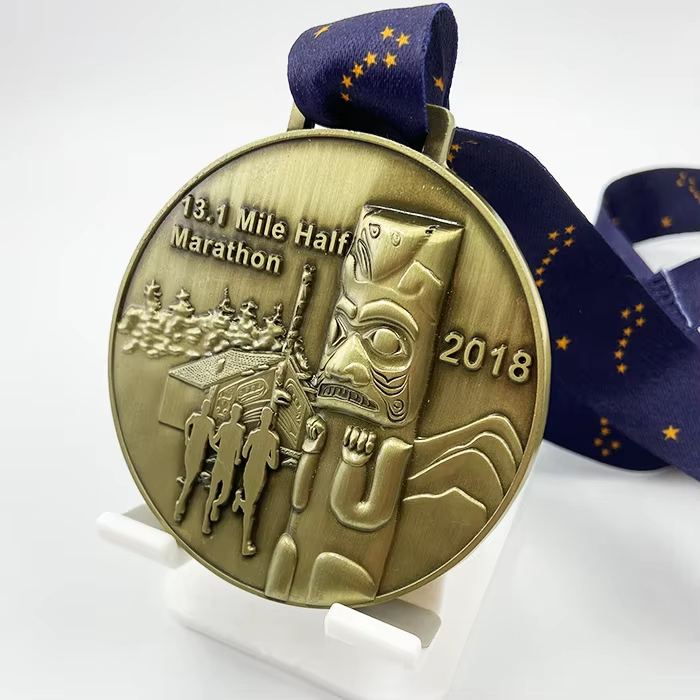
Moving beyond circular and shield-shaped conventions opens vast creative possibilities when you design a unique medal. Consider how the medal's silhouette can itself communicate meaning related to your event or achievement. A technology award might feature circuit-board-inspired angular geometries, while an environmental achievement could incorporate organic, leaf-like contours. Custom die-cutting allows virtually any two-dimensional shape, while multi-layer construction or sculptural relief adds three-dimensional interest that creates dramatic shadows and tactile engagement.
Dimensional variation within the medal surface creates visual hierarchy and tactile interest that flat designs cannot achieve. High-relief elements that rise significantly from the base create dramatic light play and emphasize focal points, while recessed areas provide contrast and depth. When you strategically design a unique medal using varied elevation levels, you guide the viewer's eye through the composition and create a more engaging physical object. Consider how the medal will be viewed from different angles and distances, ensuring the dimensional elements enhance readability rather than creating visual confusion.
Creating Meaningful Symbolic Integration
Effective symbolism transforms abstract concepts into visual language that resonates emotionally with recipients. Rather than literal representations, explore metaphorical connections that add depth and sophistication to your design. An endurance event might incorporate a rising sun symbolizing perseverance rather than simply showing a runner, while a corporate innovation award could use interlocking geometric forms representing collaboration instead of obvious technology icons. When you design a unique medal through thoughtful symbolic abstraction, you create intellectual engagement that makes the award more memorable and meaningful.
Layer multiple symbolic elements at different scales to create visual richness without overcrowding the composition. Primary symbols should dominate the design hierarchy, immediately communicating the medal's purpose, while secondary details add nuance and discovery value upon closer inspection. Background textures, edge treatments, and even negative space can reinforce thematic elements when carefully considered. This layered approach rewards both casual viewing and detailed examination, making the design a unique medal that reveals new details over time rather than exhausting its visual interest immediately.
Optimizing Typography for Impact and Legibility
Typography on medals requires special consideration due to scale constraints, viewing distances, and production methods. Font selection should balance personality with readability, avoiding overly decorative typefaces that become illegible when rendered in metal at small sizes. When you design a unique medal, test typography at actual production size to ensure all text remains clear and proportional. Consider the relationship between letter height, stroke weight, and spacing, adjusting these variables to optimize legibility while maintaining aesthetic appeal.
Treat text as a compositional element rather than merely informational content. Typography placement, orientation, and integration with graphic elements contribute significantly to overall design cohesion. Circular text following the medal's perimeter creates traditional formality, while angular or asymmetric text placement suggests contemporary energy. Varying text sizes establishes information hierarchy, ensuring the most important details command attention while supporting information remains accessible without dominating the composition. Strategic use of positive and negative text treatments adds visual variety and can improve readability against complex backgrounds.
Selecting Materials and Finishes for Maximum Impact
Evaluating Metal Options and Their Design Implications
The base metal selection fundamentally affects how recipients perceive your medal's value and prestige. Brass, zinc alloy, iron, and stainless steel each offer distinct advantages in terms of weight, cost, finish compatibility, and production techniques. When you design a unique medal, consider how metal choice influences both manufacturing possibilities and aesthetic outcomes. Brass accepts detailed die-striking and polishing exceptionally well, creating sharp details and lustrous finishes, while zinc alloy offers cost efficiency for complex three-dimensional forms through casting processes.
Beyond functional considerations, different metals carry cultural and symbolic associations that reinforce your medal's message. Gold-toned metals signal premium achievement and excellence, silver conveys elegance and professionalism, while bronze or copper finishes suggest heritage and endurance. Combining multiple metal finishes within a single medal through plating or inlay techniques creates visual complexity and perceived value. The weight of the metal also contributes to perceived quality, with substantial heft communicating importance and permanence that lightweight alternatives cannot match.
Exploring Color Application Techniques and Effects
Color dramatically enhances visual impact and enables sophisticated brand integration when you design a unique medal. Soft enamel, hard enamel, epoxy coatings, and printing each offer distinct aesthetic qualities and durability characteristics. Soft enamel creates a textured surface where recessed color areas sit below raised metal borders, offering a traditional look with excellent color vibrancy. Hard enamel produces a smooth, flush surface through multiple firing and polishing cycles, delivering superior durability and a premium feel suitable for high-end awards.
Color selection should consider both aesthetic appeal and symbolic meaning. Limit your palette to three or four primary colors to maintain visual clarity and reduce production complexity. High contrast between background and foreground elements ensures readability, while analogous color schemes create sophisticated harmony. Consider how colors interact with the metal finish, as certain combinations enhance metallic luster while others may diminish it. Transparent or translucent color applications over textured metal surfaces create depth effects impossible with opaque colors, adding another dimension to your design vocabulary.
Incorporating Special Finishes and Textural Elements
Surface treatments transform standard metal into visually arresting and tactilely engaging materials that elevate your medal's distinctiveness. Antique finishes with darkened recesses emphasize sculptural details and create vintage elegance, while mirror polishing delivers contemporary sophistication through reflective brilliance. When you design a unique medal incorporating varied finishes across different medal zones, you create visual interest and hierarchy that guides viewer attention. Sandblasted or bead-blasted matte areas provide effective contrast against polished sections, making design elements pop with enhanced definition.
Specialty finishes like glitter effects, glow-in-the-dark elements, or holographic coatings introduce unexpected visual properties that create memorable experiences. These treatments work particularly well for specific event types where playfulness or innovation aligns with brand values. Textural patterns applied through knurling, engine-turning, or photo-etching add tactile dimension that engages multiple senses. However, restraint remains important, as excessive special effects can appear gimmicky rather than premium. Select one or two distinctive finishing techniques that reinforce your design concept rather than overwhelming it with competing treatments.
Implementing Personalization and Customization Strategies
Designing for Variable Data Integration
Personalization transforms generic awards into individually meaningful keepsakes that recipients treasure. When you design a unique medal with personalization in mind, allocate dedicated space for variable information like recipient names, achievement dates, or performance metrics. This personalization zone should integrate naturally into the overall composition rather than appearing as an afterthought. Consider how different name lengths and character counts will affect layout, ensuring the design accommodates the full range of possible variations without awkward spacing or truncation.
Technical production methods for personalization include laser engraving, rotary engraving, and printing, each with distinct capabilities and aesthetic characteristics. Laser engraving offers precision and efficiency for serialization, creating subtle tone variations in metal that remain legible without requiring additional finishing. Rotary engraving cuts deeper into the material, creating more tactile results that can be enhanced through contrast filling. When planning personalization, verify that your chosen method and location won't compromise structural integrity or visual balance, and test prototypes with actual variable data to confirm readability and aesthetic appeal.
Creating Modular Design Systems for Series Recognition
For recurring events or tiered achievement programs, designing medals as part of a cohesive visual system reinforces brand consistency while allowing meaningful differentiation. Establish core design elements that remain constant across all medals in the series, such as overall shape, primary symbolism, or organizational branding, then vary secondary elements to distinguish achievement levels or annual editions. When you design a unique medal within a systematic framework, recipients immediately recognize the award's legitimacy and context while appreciating the specific designation their version represents.
Color coding, metal finish variations, or progressive design complexity effectively communicate hierarchy within medal series. Bronze, silver, and gold finishes provide intuitive ranking, while adding design elements or dimensional complexity to higher-tier medals visually reinforces increased achievement levels. Year-over-year series might maintain consistent core design while modifying accent colors, edge treatments, or background patterns to create collectible variations. This systematic approach builds anticipation for future editions while allowing recipients to display multiple medals as a progression narrative that tells their achievement story.
Incorporating Interactive and Revealing Elements
Innovative medals incorporate interactive features that surprise and delight recipients, creating memorable experiences beyond static visual appeal. Spinner elements that rotate within the main medal body, sliding components that reveal hidden messages, or dual-sided designs with contrasting themes engage recipients physically and create discovery moments. When you design a unique medal with interactive elements, consider the mechanical reliability and production complexity these features introduce, ensuring they enhance rather than compromise the award's durability and perceived quality.
Revealing elements like removable covers, fold-out sections, or progressive enamel applications that change appearance when viewed from different angles add experiential value that static designs cannot match. These features work particularly well for milestone achievements or exclusive recognition programs where enhanced complexity signals elevated prestige. However, mechanical elements must be robust enough to withstand repeated handling without failure, as malfunctioning interactive features undermine rather than enhance perceived value. Prototype and user-test any moving parts extensively before committing to production to ensure reliability matches the innovative concept.
Refining Production Specifications and Quality Assurance
Optimizing Design for Manufacturing Constraints
Even brilliantly conceived designs fail if they cannot be reliably manufactured at scale within budget parameters. When you design a unique medal, maintain ongoing dialogue with manufacturers about technical feasibility, understanding how production methods constrain and enable different design approaches. Minimum line weights, maximum relief heights, color count limitations, and tolerance specifications vary by production technique. Designs that push against these constraints risk quality inconsistencies, increased costs, or extended production timelines that may compromise project success.
Simplification and optimization often strengthen designs while improving manufacturability. Reducing unnecessary detail that won't be visible at production scale focuses attention on essential elements and improves yield rates by reducing opportunities for defects. Adjusting design elements to align with standard tooling sizes or production capabilities may reduce per-unit costs sufficiently to allow upgrades in materials or finishes that deliver greater perceived value. Smart designers balance creative vision with manufacturing reality, finding elegant solutions within constraints rather than fighting against production fundamentals.
Establishing Comprehensive Quality Control Criteria
Quality assurance protocols ensure that manufactured medals match design intent and meet recipient expectations. Develop detailed specifications documenting acceptable tolerances for dimensions, color matching, finish quality, and detail resolution. When you design a unique medal, create objective assessment criteria that manufacturers can use to verify compliance, reducing subjective interpretation that leads to disputes. Reference samples, color standards, and measurement protocols provide concrete benchmarks against which production batches can be evaluated.
Pre-production sampling remains essential for verifying that designs translate successfully from digital concepts to physical products. Request samples in all finish variations and with maximum personalization to identify potential issues before committing to full production runs. Examine samples under various lighting conditions and viewing distances, checking for unintended visual effects or legibility problems. Physical handling reveals weight, balance, and tactile qualities that renderings cannot communicate. Iterating based on sample feedback prevents costly production errors and ensures the final medals deliver the distinction and quality your design promised.
Planning for Packaging and Presentation Enhancement
The unboxing experience significantly influences how recipients perceive your medal's value and prestige. When you design a unique medal, consider its presentation context, developing packaging that protects, displays, and enhances the award. Custom boxes, velvet pouches, acrylic stands, or display cases transform medals from loose objects into complete presentation systems that communicate thoughtfulness and quality. Packaging design should complement medal aesthetics through coordinated colors, materials, and branding elements that create a cohesive experience.
Practical considerations like shipping protection, storage efficiency, and sustainable materials influence packaging decisions alongside aesthetic goals. Packaging that doubles as permanent display solutions adds functional value recipients appreciate, increasing the likelihood medals remain visible rather than stored away. Including certificates of achievement, explanatory cards describing design symbolism, or digital connection points through QR codes extends engagement beyond the physical object. Comprehensive presentation planning ensures your carefully designed medal makes its intended impact from the moment recipients first encounter it through years of continued display and appreciation.
FAQ
What makes a medal design truly unique compared to standard options?
A truly unique medal design distinguishes itself through thoughtful customization that reflects the specific event, achievement, or organization it represents rather than relying on generic templates. This includes custom shapes that move beyond standard circles or shields, original artwork and symbolism tailored to your context, distinctive material combinations or finishing techniques, and personalization elements that make each piece individually meaningful. The uniqueness emerges from the intentional alignment between design choices and the medal's purpose, creating visual and emotional resonance that generic alternatives cannot achieve. When you invest in custom die creation, original graphic design, and careful material selection, you produce medals that recipients immediately recognize as special and worthy of the achievements they commemorate.
How do material choices affect the perceived value of custom medals?
Material selection dramatically influences how recipients perceive medal quality, prestige, and value. Heavier metals like brass or thick zinc alloys convey substance and importance through physical weight, while premium finishes like hard enamel or mirror polishing signal quality craftsmanship and attention to detail. The choice between standard plating options and specialty finishes like antique treatments or dual-tone plating affects both aesthetic sophistication and perceived exclusivity. Higher-quality materials also typically allow finer detail reproduction and more durable finishes that maintain appearance over time, contributing to long-term value perception. Recipients often associate material quality with the importance the awarding organization places on their achievement, making thoughtful material selection an investment in relationship building and brand perception beyond the physical product cost.
What design elements should be prioritized for maximum visual impact?
Visual impact depends on establishing clear hierarchy through size, contrast, and dimensional variation that guides viewer attention to the most important design elements. Prioritize bold, recognizable primary symbolism that communicates purpose immediately, ensuring this central element dominates the composition through scale or placement. High contrast between foreground and background elements, whether through color, finish, or dimensional relief, prevents visual confusion and enhances readability at various viewing distances. Strategic use of negative space prevents overcrowding and allows key elements to breathe, actually strengthening their impact compared to densely packed designs. Typography should be large enough for comfortable reading while maintaining elegant proportions relative to graphic elements. When these hierarchical principles guide design decisions, medals achieve visual impact that captures attention across rooms and remains engaging during close examination.
How can I ensure my medal design remains timeless rather than dated?
Creating timeless medal designs requires balancing contemporary aesthetic preferences with classic compositional principles that transcend temporary trends. Avoid design elements closely tied to specific time periods, such as trendy fonts, currently fashionable color combinations, or graphic styles associated with particular decades. Instead, focus on fundamental design qualities like balanced composition, appropriate contrast, refined typography, and meaningful symbolism that communicate clearly regardless of when the medal is viewed. Quality materials and expert craftsmanship always appear valuable, while gimmicky production techniques or overly clever concepts often age poorly. Drawing inspiration from historical medal-making traditions while incorporating subtle modern refinements creates designs that feel both authoritative and current. Testing designs by imagining how they would appear in different decades or asking whether the design relies on current trends helps identify potentially dated elements before committing to production, ensuring your medals remain displayable treasures for years rather than embarrassing reminders of past fashion mistakes.