
 EN
EN



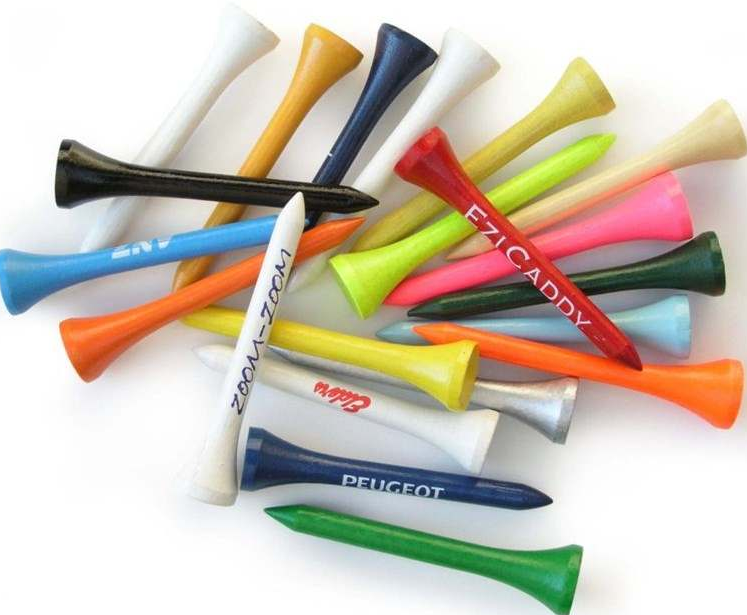
Golf tees are far more than simple wooden pegs you place in the ground before each shot. They are fundamental tools that directly influence your swing mechanics, ball trajectory, and overall performance on the course. Understanding how golf tees impact your swing and ball flight is essential for any golfer seeking to improve consistency, distance, and accuracy. The relationship between tee design, positioning, and your swing is complex yet manageable once you understand the key variables at play.
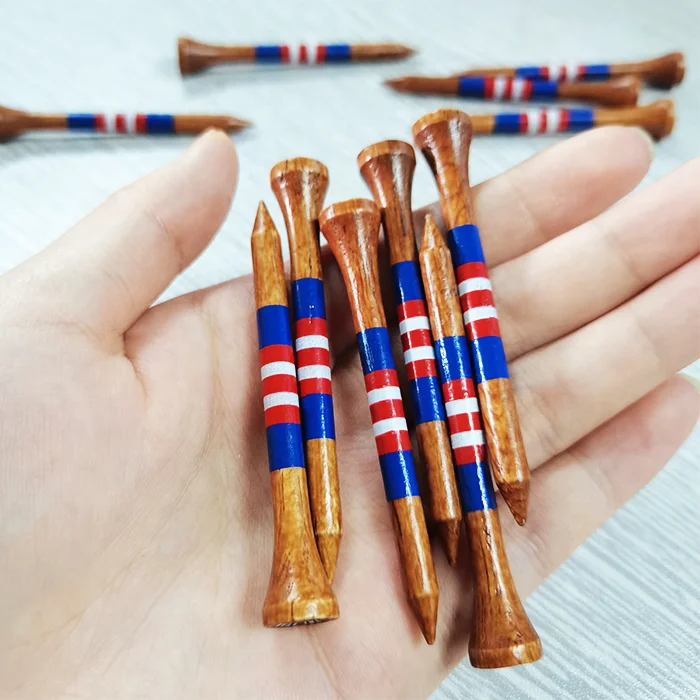
Every golfer faces decisions about which golf tees to use and how to position them. These choices carry measurable consequences for ball flight characteristics, launch angle, and spin rates. By learning how golf tees affect your swing dynamics, you can make informed decisions that align with your playing style and course conditions.
How Tee Height Affects Launch Angle and Ball Flight
Understanding Launch Angle Mechanics
Tee height is the single most influential factor in how golf tees shape your ball flight. When you position golf tees at different heights, you change the contact point between the clubface and the ball at impact. A higher tee placement raises your launch angle, causing the ball to climb more steeply into the air. Lower golf tees reduce launch angle, producing a flatter trajectory that penetrates wind more effectively. Most touring professionals adjust their golf tees based on conditions, ball type, and club selection.
Practical Tee Height Guidelines
For drivers, golf tees typically measure between 1.5 and 2.5 inches in height, with most players favoring heights around 1.75 inches. This range allows for a slightly ascending strike that maximizes distance and reduces unwanted spin. With fairway woods and hybrids, shorter golf tees around 0.75 inches promote better control and consistency. The optimal height for your golf tees depends on your swing speed, launch characteristics, and distance targets. Golfers with slower swing speeds often benefit from slightly higher golf tees to increase launch angle, while faster swingers may prefer lower positioning to control trajectory.
Material Composition and Its Influence on Swing Feel
Wooden Golf Tees vs. Alternative Materials
Wooden golf tees remain the industry standard because they offer predictable performance and natural feel at address. Wood provides consistent resistance during the downswing, allowing for reproducible club-to-ball contact patterns. Many golfers find that wooden golf tees produce a familiar tactile feedback that aids pre-shot confidence. However, alternative materials like plastic and bamboo offer different performance characteristics that influence swing mechanics and ball flight in measurable ways.
How Material Affects Durability and Performance
Wooden golf tees typically last two to four shots before degradation affects their structural integrity. Plastic golf tees offer extended durability, lasting dozens of shots before replacement becomes necessary. Bamboo golf tees provide an eco-friendly alternative that balances durability with sustainability. The material you choose for your golf tees influences consistency across multiple shots and affects your swing rhythm. If your golf tees deteriorate quickly, the changing feel at address can disrupt swing tempo and ball flight patterns.
Design Features That Shape Swing Dynamics
Tee Shape and Friction Properties
Golf tees feature various designs including traditional pointed tips, flat tops, and specialized grooved patterns. The shape of your golf tees affects how the clubface engages the ball during impact. Pointed golf tees create a sharper separation point, potentially reducing club-to-tee friction and promoting cleaner contact. Golf tees with flat-top designs offer increased stability at address and wider contact surfaces that some players prefer for accuracy. Grooved patterns on premium golf tees are engineered to reduce friction further, which may decrease unwanted sidespin and improve directional consistency.
Customization and Performance Optimization
Modern golf tees available in custom designs allow players to match tee specifications with their particular swing characteristics. Custom golf tees with personalized branding serve both functional and marketing purposes for golf tournaments and promotional events. When selecting golf tees for your needs, consider custom options that align with your swing speed, club selection, and performance goals. Professional-grade golf tees often feature reinforced construction that maintains structural integrity throughout extended play sessions. Understanding your preferences for golf tees materials and designs enables you to make strategic equipment choices that optimize your swing mechanics.
FAQ
Does tee height really impact my ball flight significantly?
Yes, tee height has a measurable impact on ball flight. Research shows that adjusting your golf tees by just half an inch can change launch angle by two to three degrees, which translates to meaningful differences in trajectory, distance, and accuracy. Experimenting with different golf tees heights during practice allows you to find the setup that produces your desired ball flight characteristics.
What is the best height for golf tees when using a driver?
Most golfers achieve optimal results with driver golf tees positioned between 1.5 and 2 inches high, with approximately half the ball sitting above the clubhead at address. This positioning promotes an ascending strike that maximizes distance and reduces excessive backspin. Your ideal golf tees height may vary based on your swing speed and preferred launch angle, so experimentation is recommended.
Can custom golf tees improve my performance?
Custom golf tees offer consistency and quality assurance that can support performance improvement. When you select golf tees with specifications matched to your swing, you reduce variables that might otherwise introduce inconsistency. Custom golf tees also provide psychological benefits through familiarity and pre-shot routine confidence, which contribute to overall swing execution.